

Michelle's Interiors
Michelle Kopfer Roberts
Interior Designer
The first step in her design process is to listen.
Before she designed rooms, she designed conversations. Before Michelle ever picked up a floor plan, she spent years as a counselor. That's not a detail she leads with to be interesting; it's the reason her clients describe working with her the way they do. She is trained to listen before she acts.
She knows how to ask the right questions, how to read what someone actually needs beneath what they say, and how to translate the life being lived inside a home into the home itself, creating homes that give people something most don't realize they were missing: actual peace. That instinct of person first, design second is what her clients feel from the first conversation.
Michelle works throughout Dallas and all its surrounding communities, and for clients with second homes, she travels wherever they need her. Her work spans whole-home new construction, large renovations, flooring, lighting, paint, and full-service furniture sourcing and procurement: everything ordered, tracked, and managed so clients never have to chase a single delivery. But the part she cares most about is harder to put on a proposal: whether the client walks in and thinks, I didn't know it could look like this.

Why Michelle's Interiors is on our list
Michelle's counseling background gives her a way of connecting with clients that most designers simply don't have. She asks different questions, listens for different things, and brings a genuine warmth to the process that makes even major decisions feel manageable. Her clients come back because they trust her — and because their homes turned out better than they imagined.
She works in many styles because she designs for people, not for portfolios. If you want a designer who will take your wish list seriously, find a way to make it work, and deliver a home that actually supports the way you live, she belongs on your short list.
Q
What do you want a homeowner to feel the moment they walk into a finished project?
A
There are two answers to that.
The first moment they walk in — when they've never seen it before — I want them to feel excitement. Overwhelm, even. That feeling of not being able to believe this is their house, because we've brought their dreams and visions to life. Dreams they didn't even know they had.
Over time, I want them to feel proud. The kind of proud that makes you want to have people over, to show your home off.
But when it's just them — I want them to feel peace. Like it's a real shelter from the world. The place you live in is hugely important for your mental health. That sense of peacefulness, I would say, is the hallmark of my designs.

“The first moment they walk in — when they've never seen it before — I want them to feel excitement. Overwhelm, even.”

Q
What does collaboration look like between you and your clients?
A
I always ask clients to give me visuals of things they love. We look at photographs together — I use Instagram a lot with clients, idea books, sometimes Pinterest. And I don't want them to edit themselves. I don't want them to say 'you probably can't do this.' I want their wish list. Everything they wish their home could do or be. Then it's my job to take that and see what's possible.
I have a client right now with a beautiful older home in Lakewood — lots of character, no pantry. She mentioned it offhand and I said: I think I can give you a pantry. And we did. Give me all the hopes and dreams, and let me come back with magic.
Q
How would you describe your aesthetic, and where does it come from?
A
I work in a lot of different styles, and I think that comes out of my background as a counselor. In that work, you're really trying to connect with the person you're sitting with — the design has to fit them. My philosophy comes from the same place.
I know what's beautiful in a lot of different styles. But my clients are the ones who know what feels beautiful and comfortable to them. So I take a very person-centered approach — I create what they think is beautiful, and hopefully improve it.
In my own home and in my own designs, I tend to like a lot of white and bright.

“The design has to fit the person, not just the room.”
Q
How do you design for the way a family actually lives, not just the way a home looks in photos?
A
I want to know who is going to live in the home. The kids — how old are they, what do they love? Pets — are dogs allowed on the furniture? Are there allergies or chemical sensitivities? All of that goes into how we design.
If there are younger kids, I use a lot of kid-friendly fabrics — materials that can go inside or outside, rugs made from stain-resistant material. If there are animals on the furniture, we account for that too.
Who lives there and how the home is going to be used is one of the most important things we consider. Because if it looks good but doesn't function well, it's a failure. We want it to do both.
Q
You work on both remodels and new builds. How does your approach differ between the two?
A
It's a dramatically different process. With new builds, we're working with the builder, and our timeline follows the points they set — when certain things need to be decided and done. The schedule is really dictated by them.
With a remodel, I'm the one driving the process. I like to have all fixtures and finishes selected before we even bring the contractor in, so there are no surprises and no change orders later. Everything is drawn out upfront.
The one thing that stays consistent is that I draw everything — whether it's a 10,000-square-foot home or just a bathroom and kitchen. And with both new construction and remodels, I love to take clients shopping in person. Nothing replaces standing in front of a natural stone slab and choosing it yourself.
Q
What are the design decisions homeowners don't realize will have the biggest long-term impact?
A
Layout. If you're building a new home, get your designer involved at the plan stage — ideally when you're still working with the architect, but if you're past that, as soon as possible.
There are small things we can adjust early — where a wall goes, making sure you have outlets exactly where you need them, making sure a walkway is wide enough, making sure the overall flow isn't too chopped up — that are a real pain to change later. When we get that footprint right from the beginning, you're building off of it for as long as you live in the home.
That's also why I love remodels: the ability to reconfigure things, to make the space fundamentally more functional, not just more beautiful.
Watch the feature
Portfolio
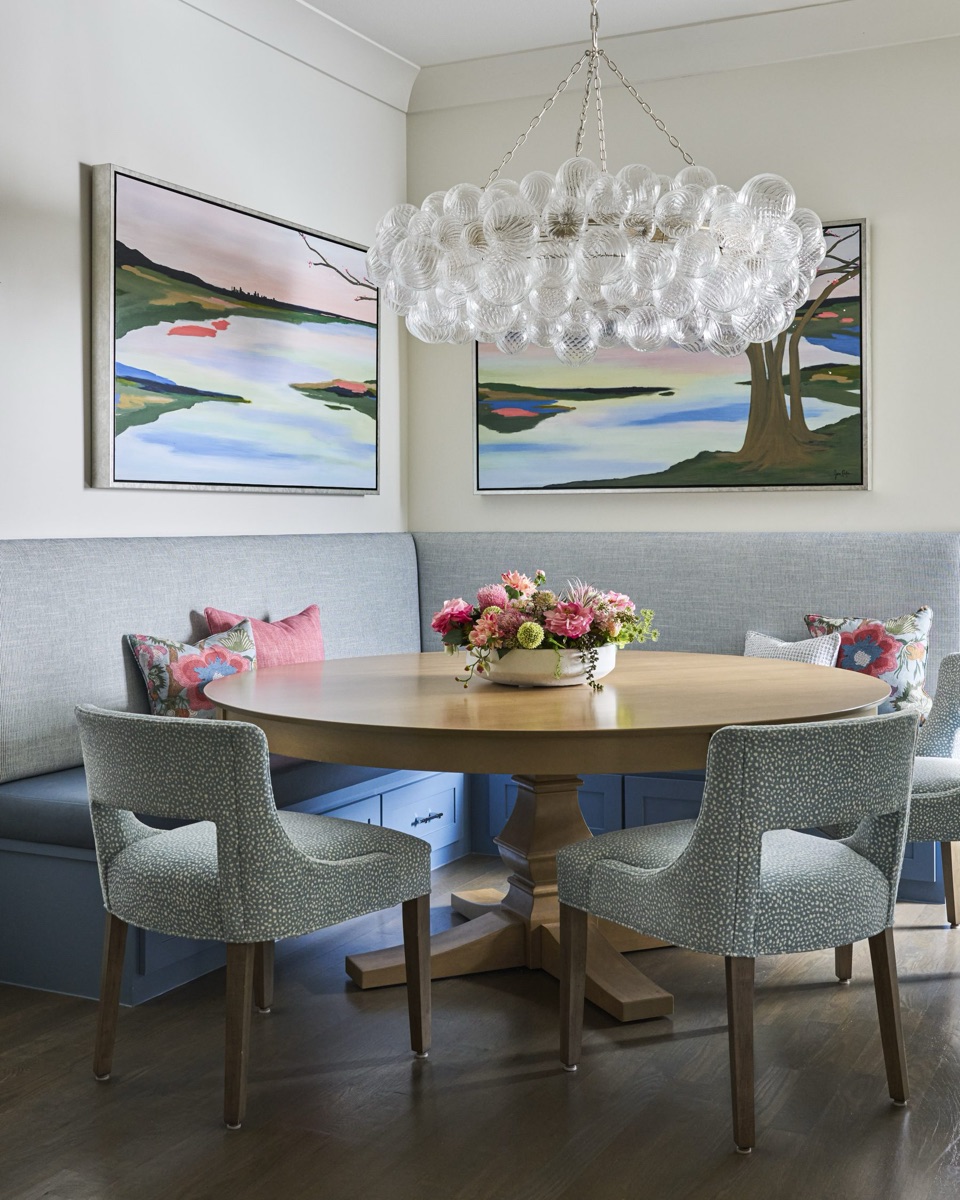
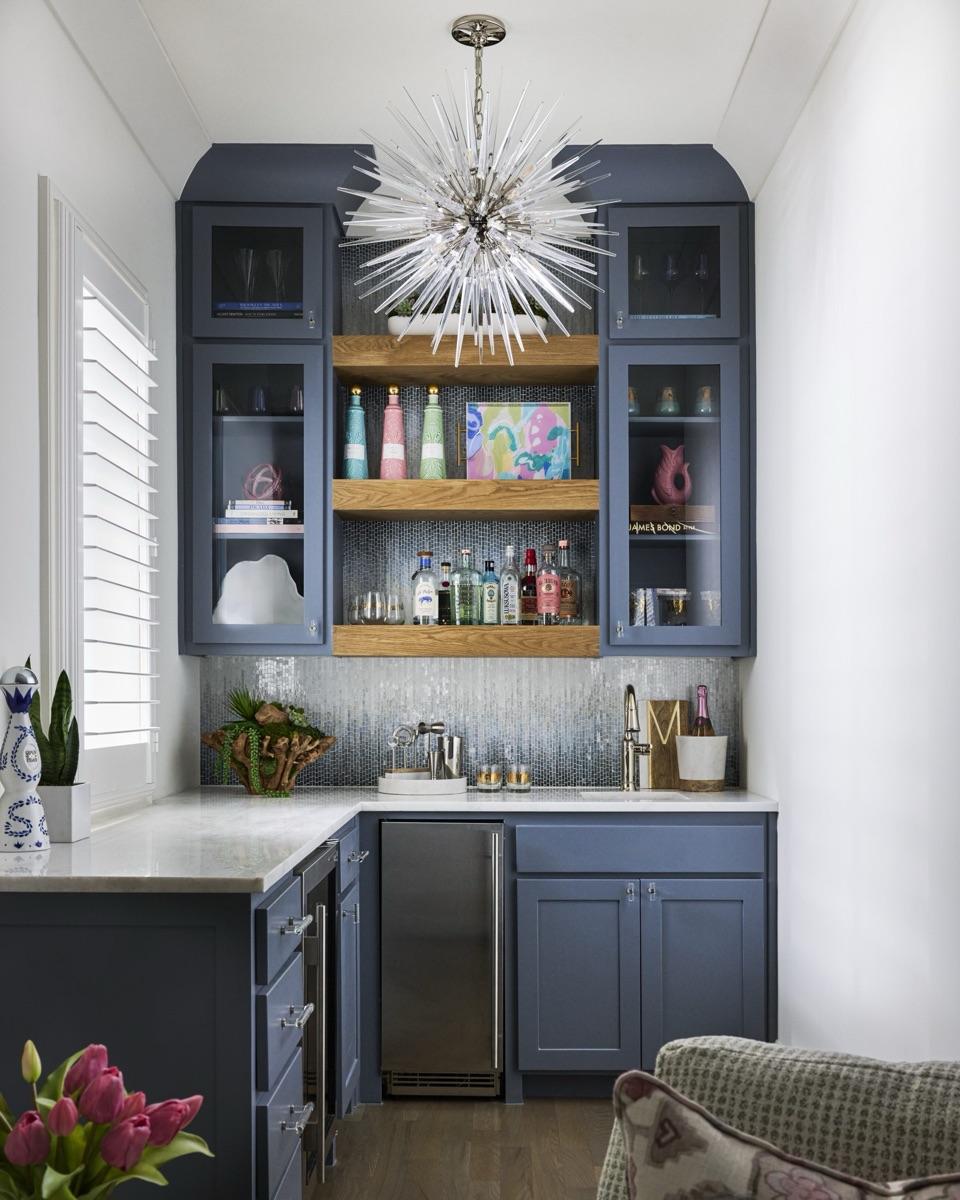
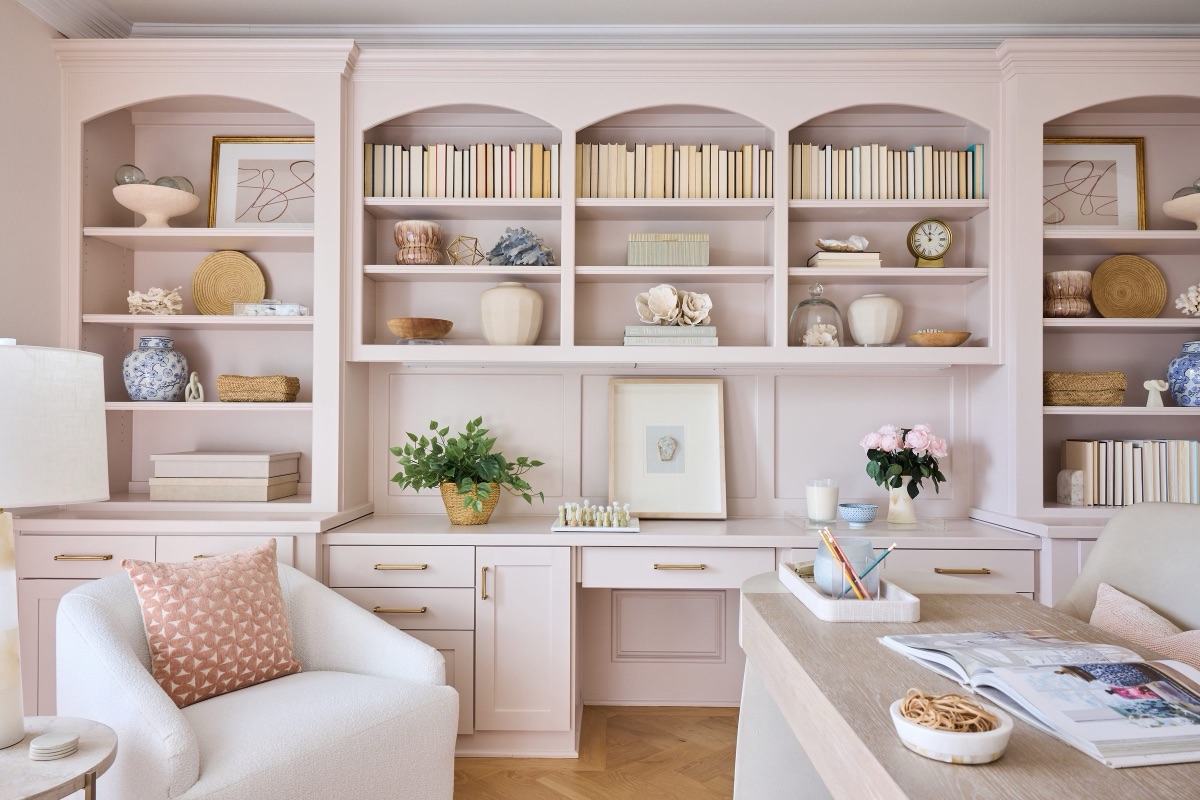
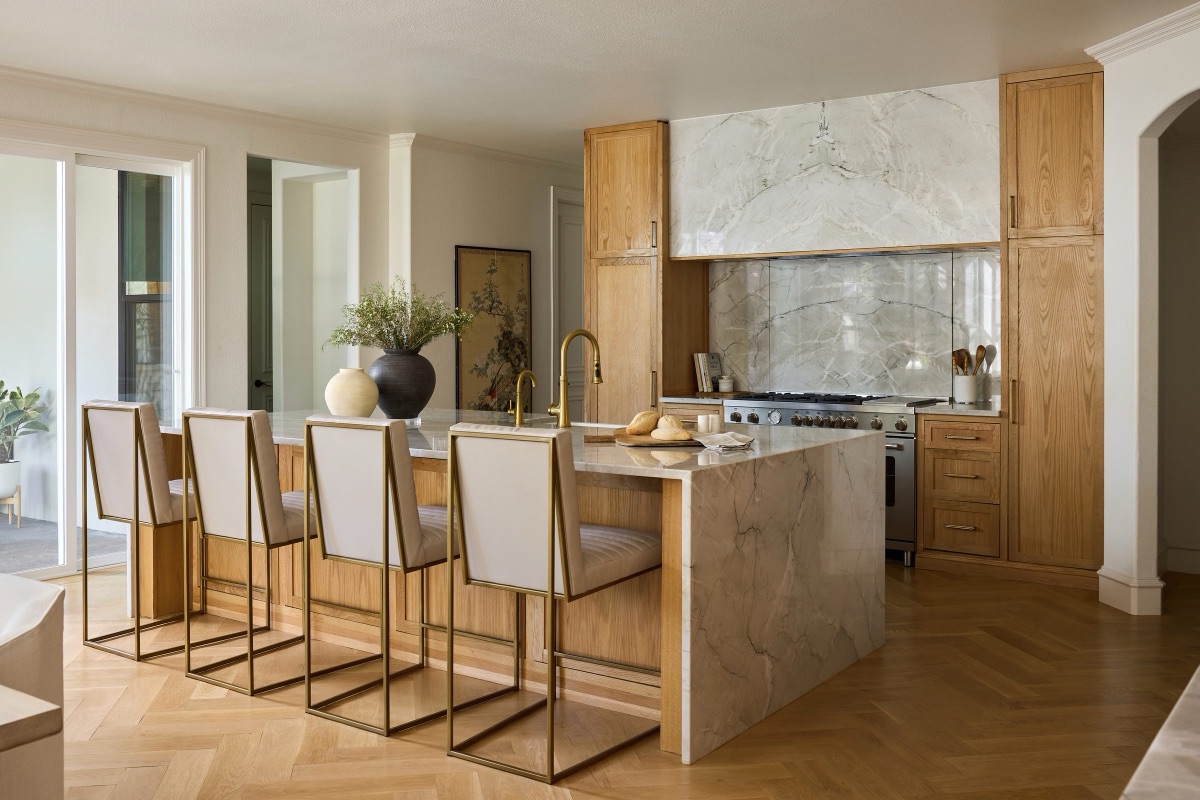
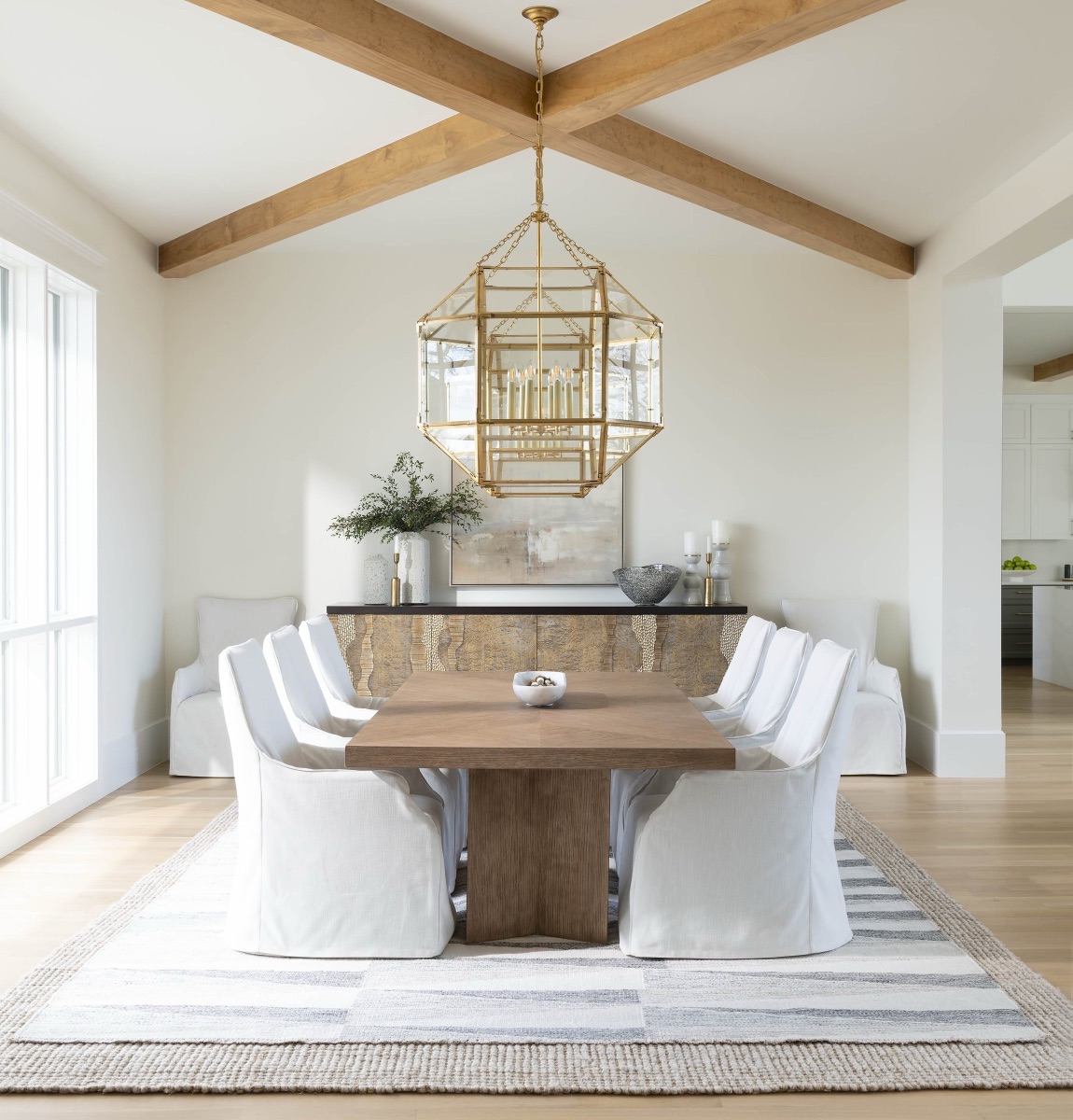
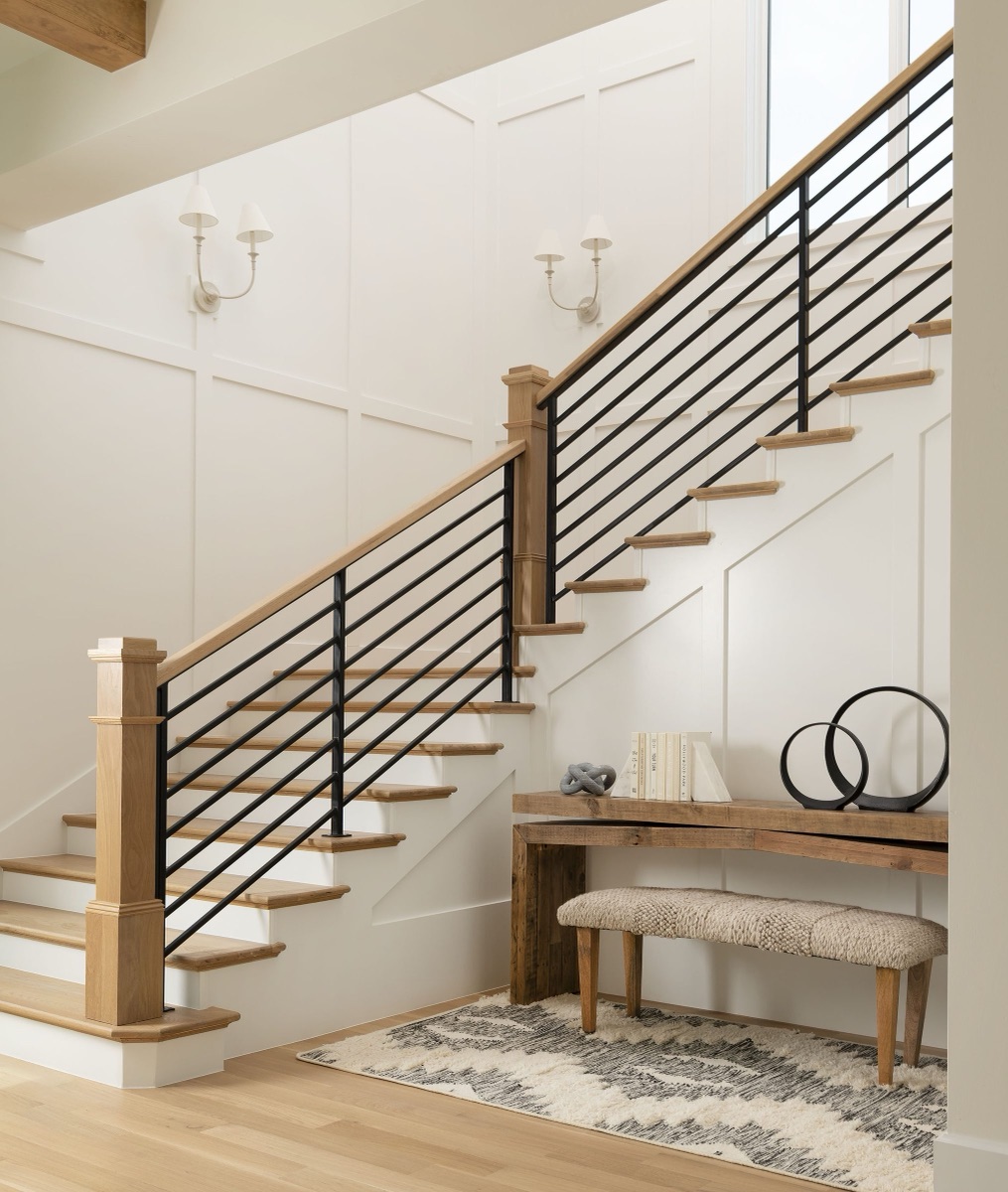
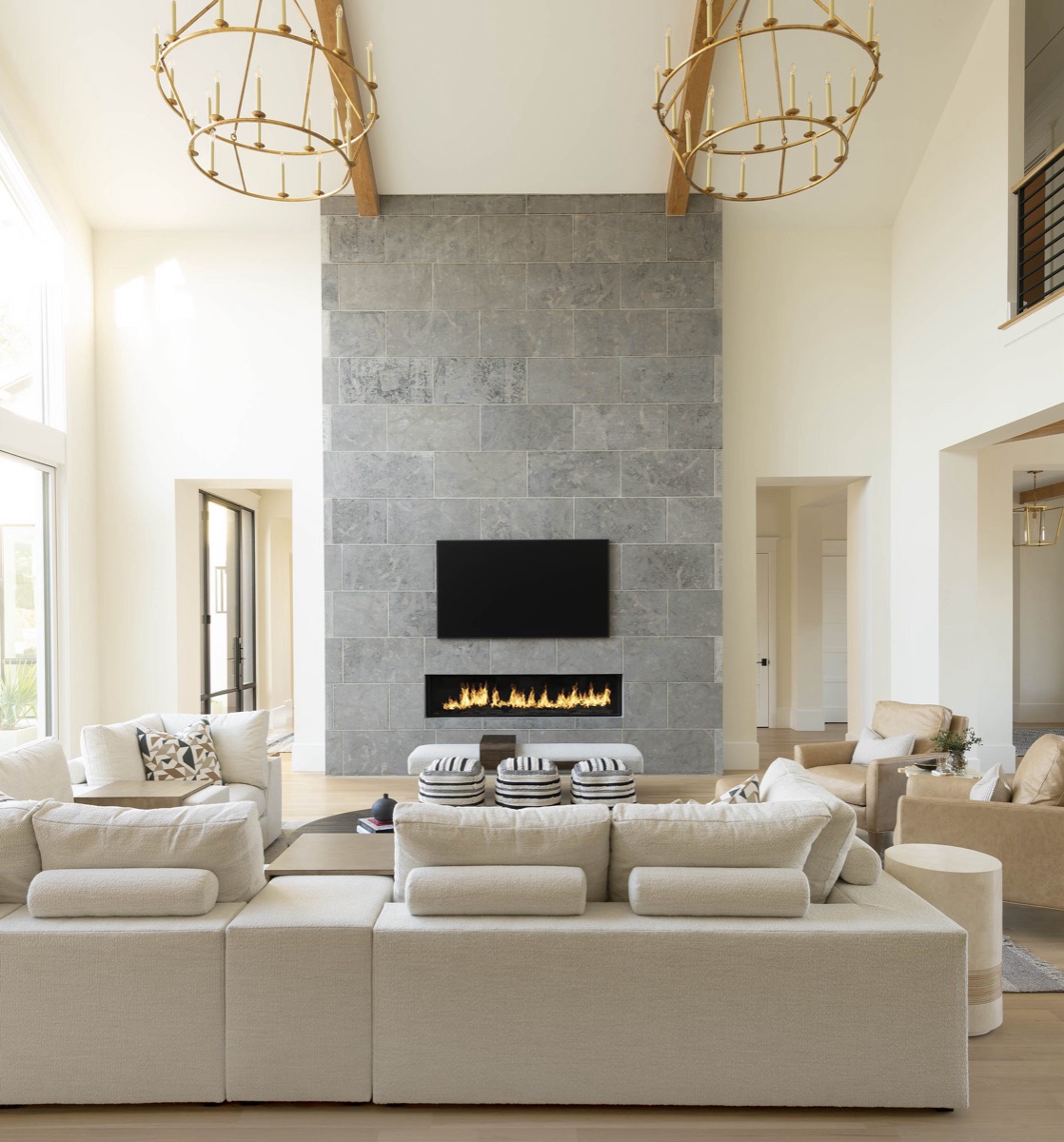
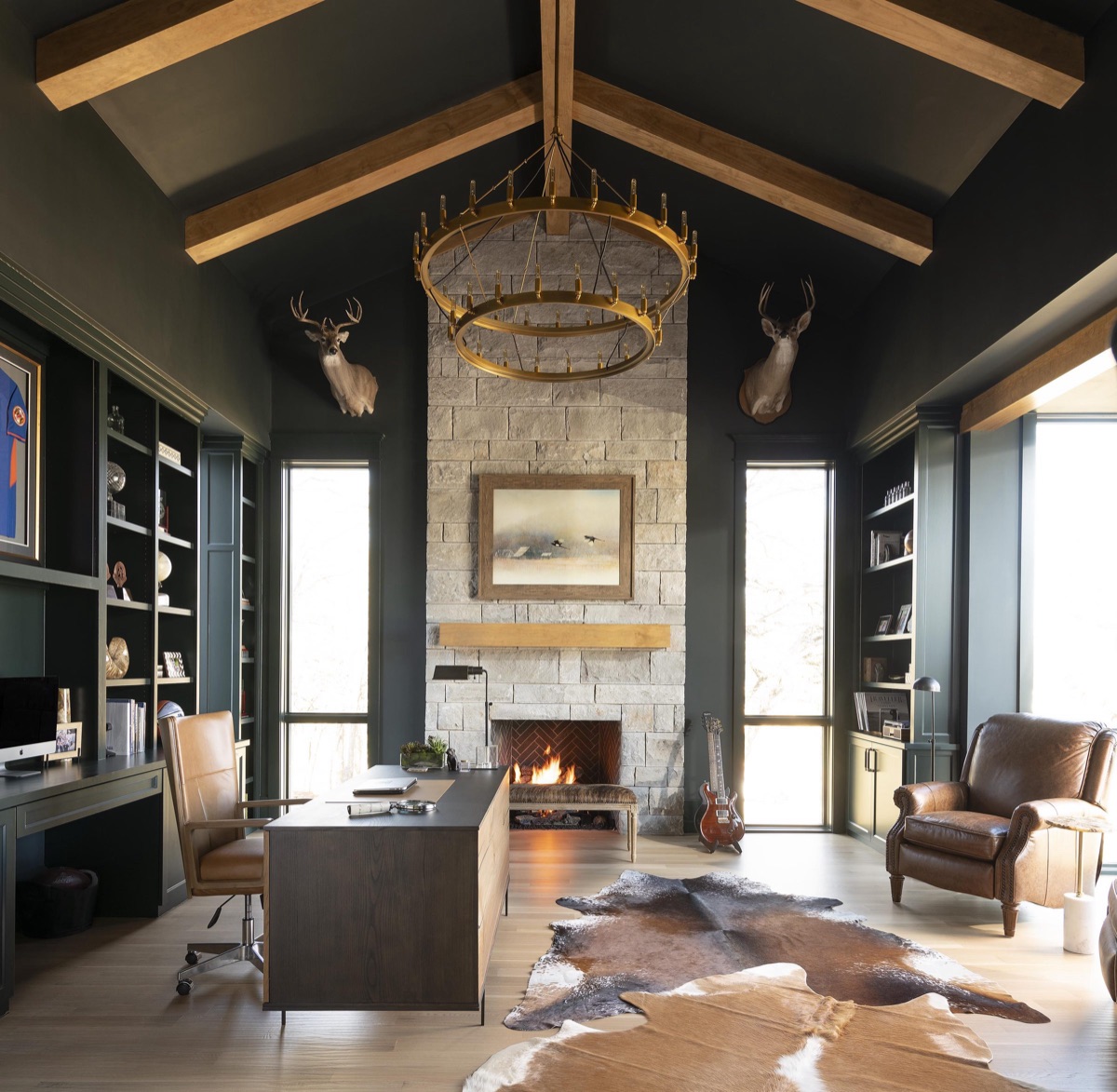
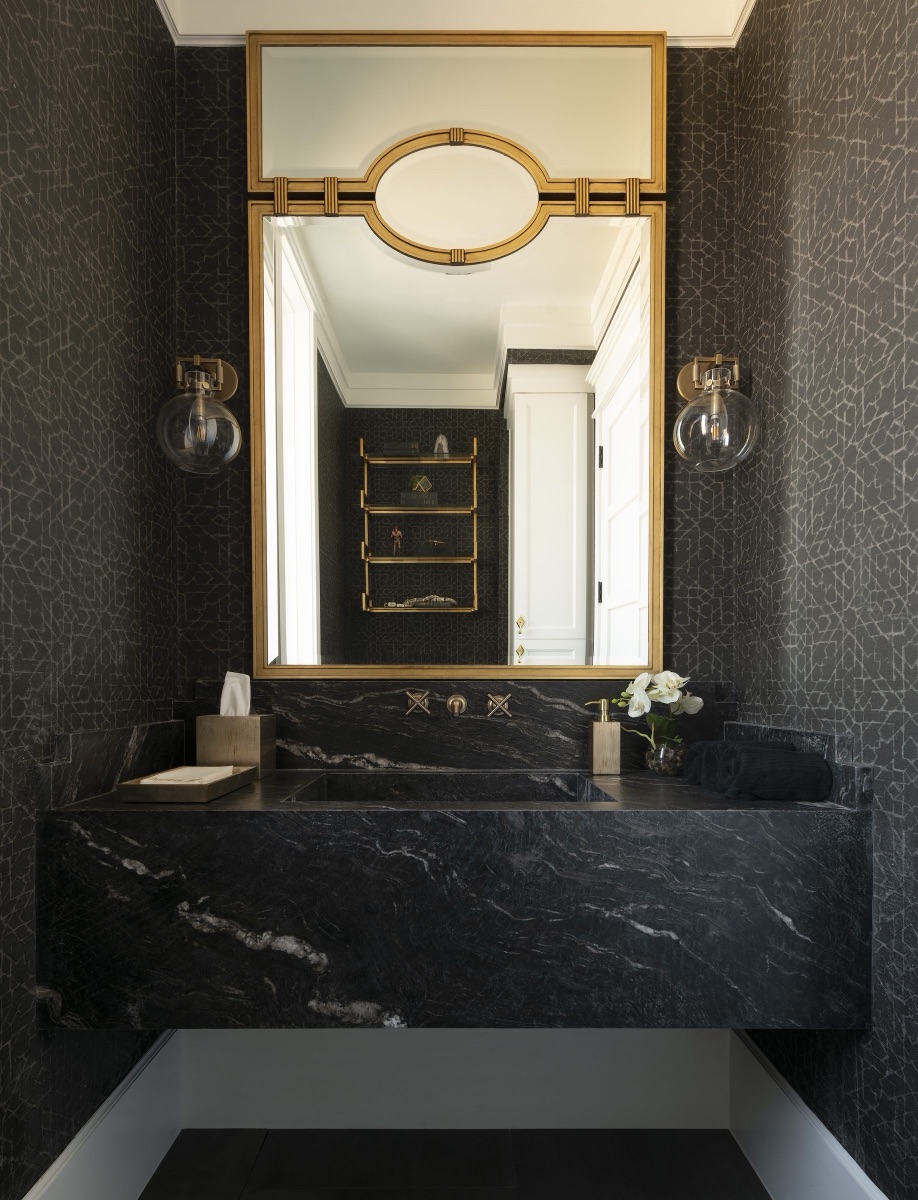
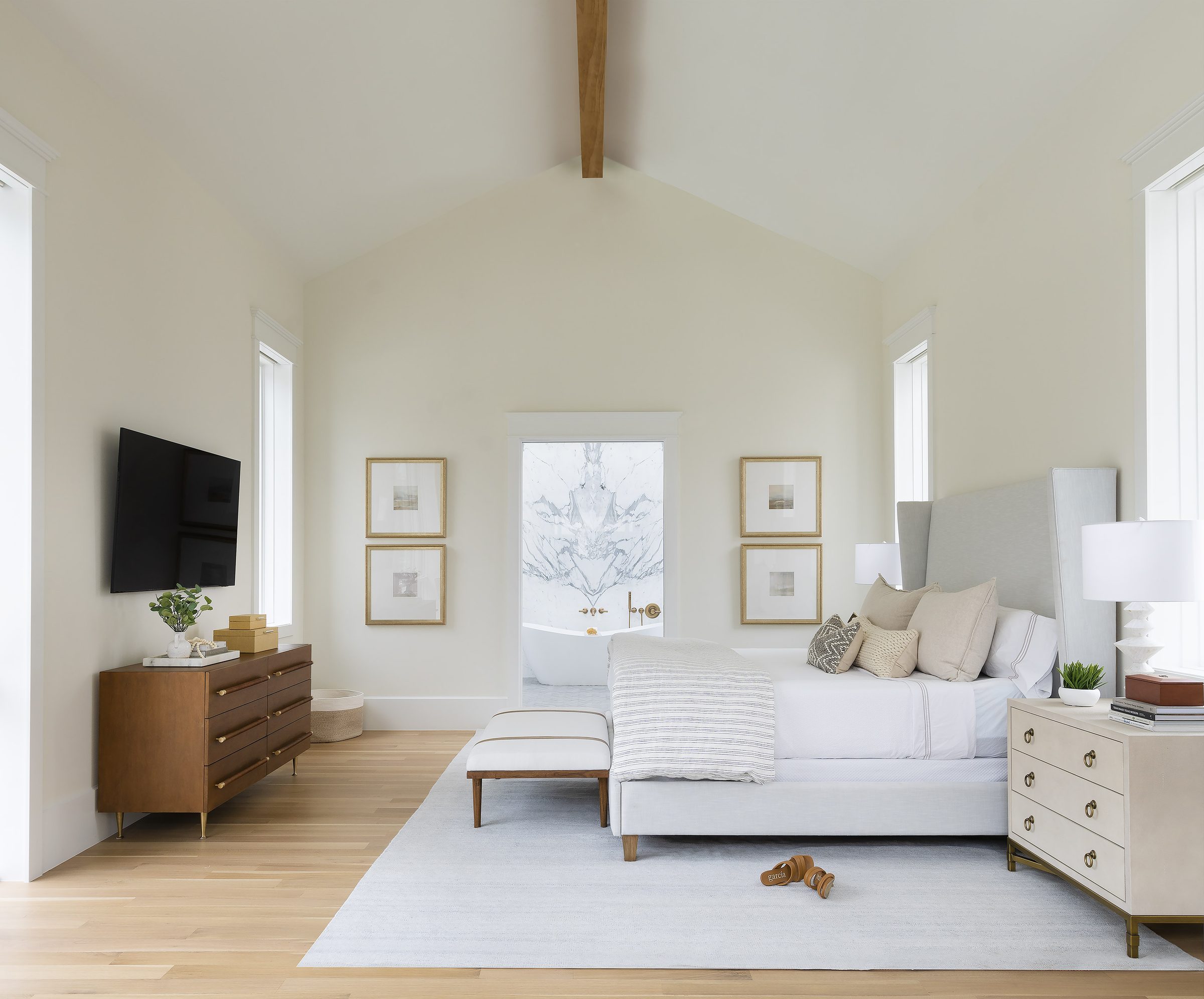
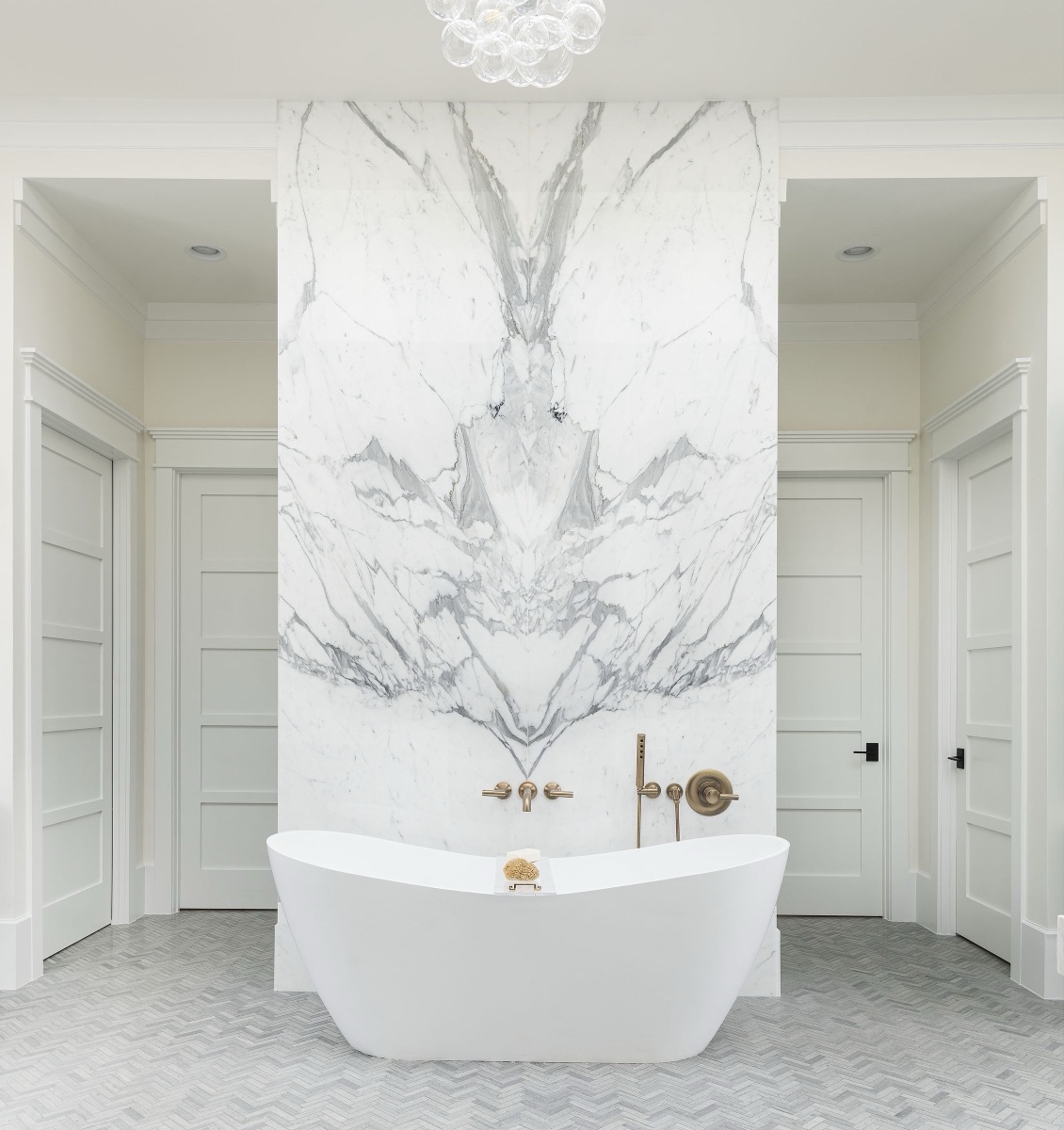
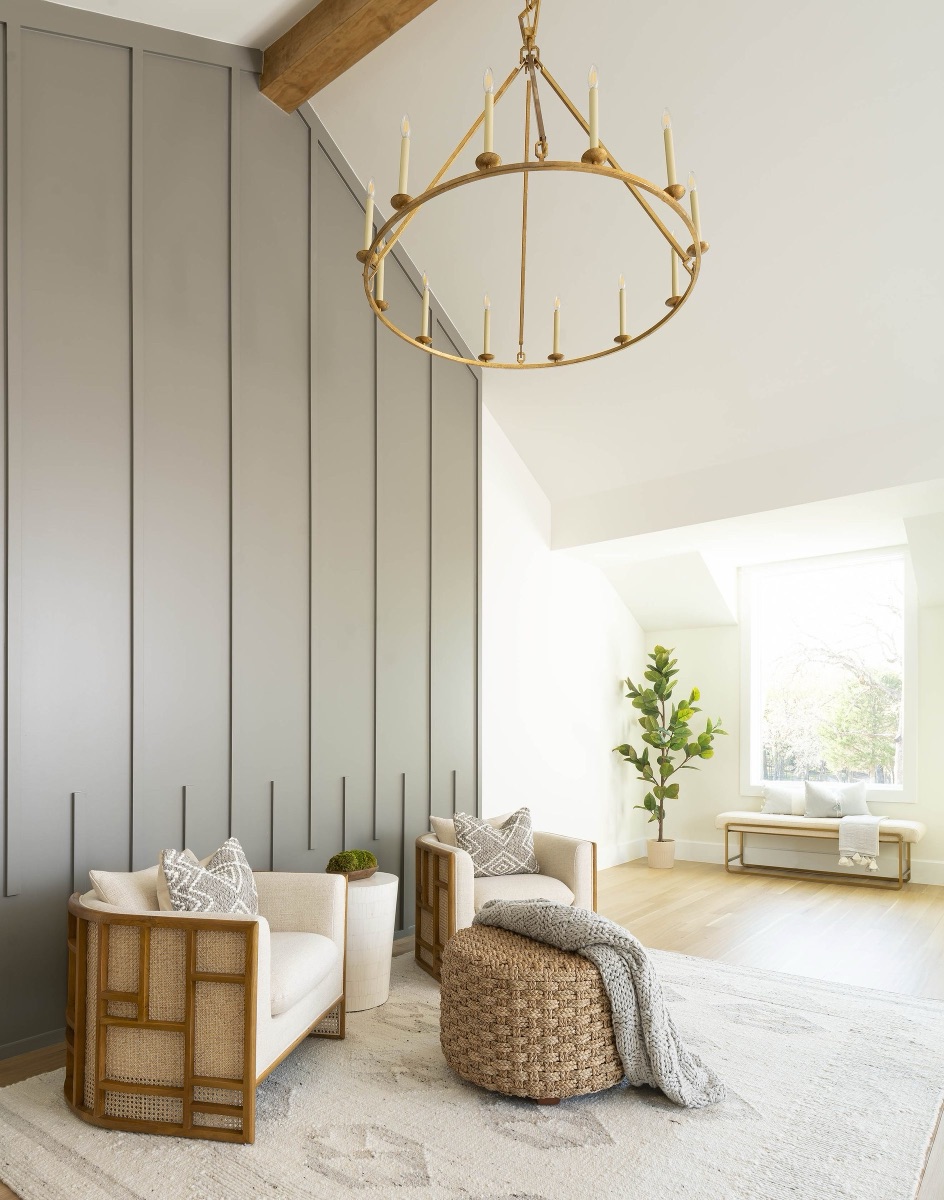
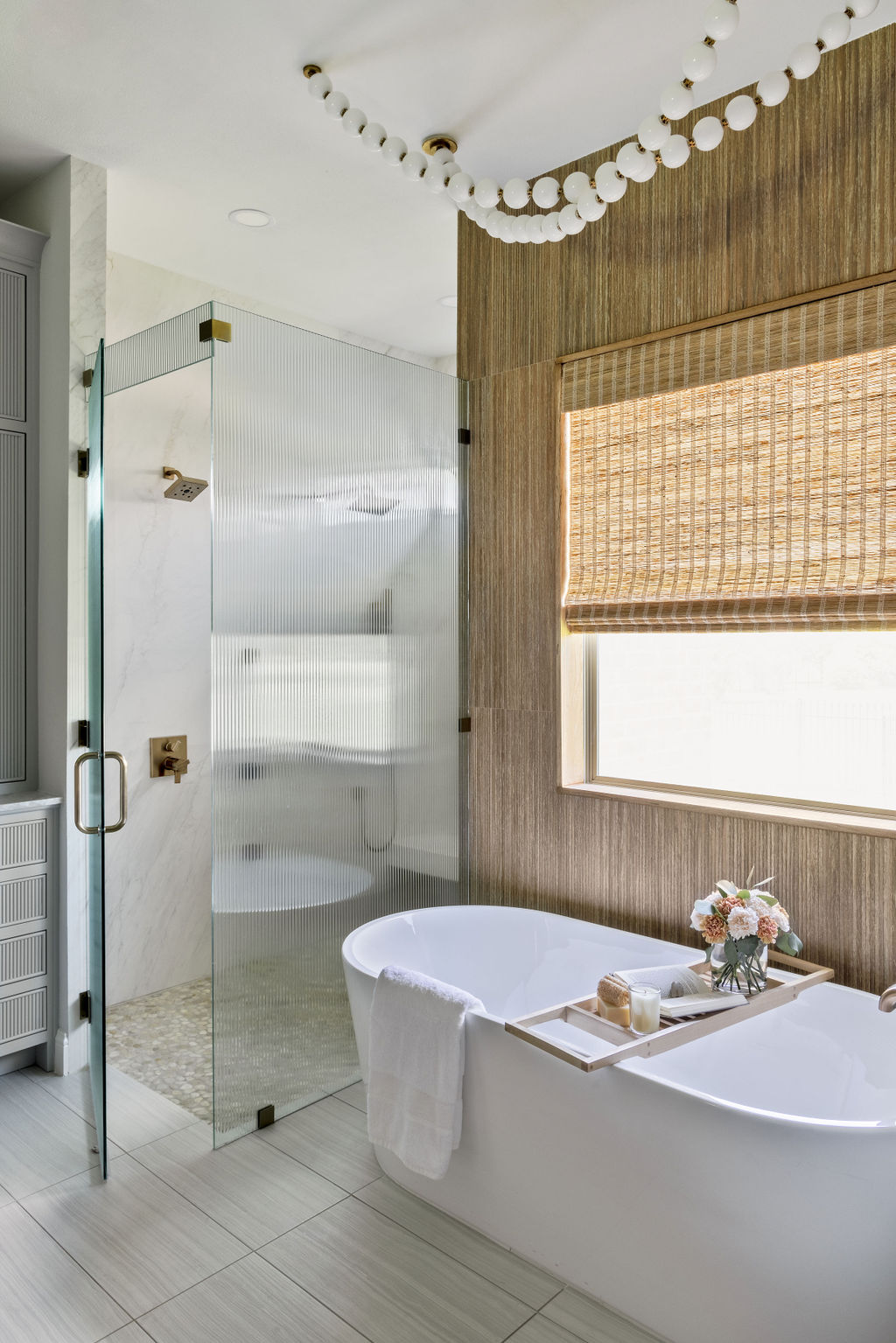
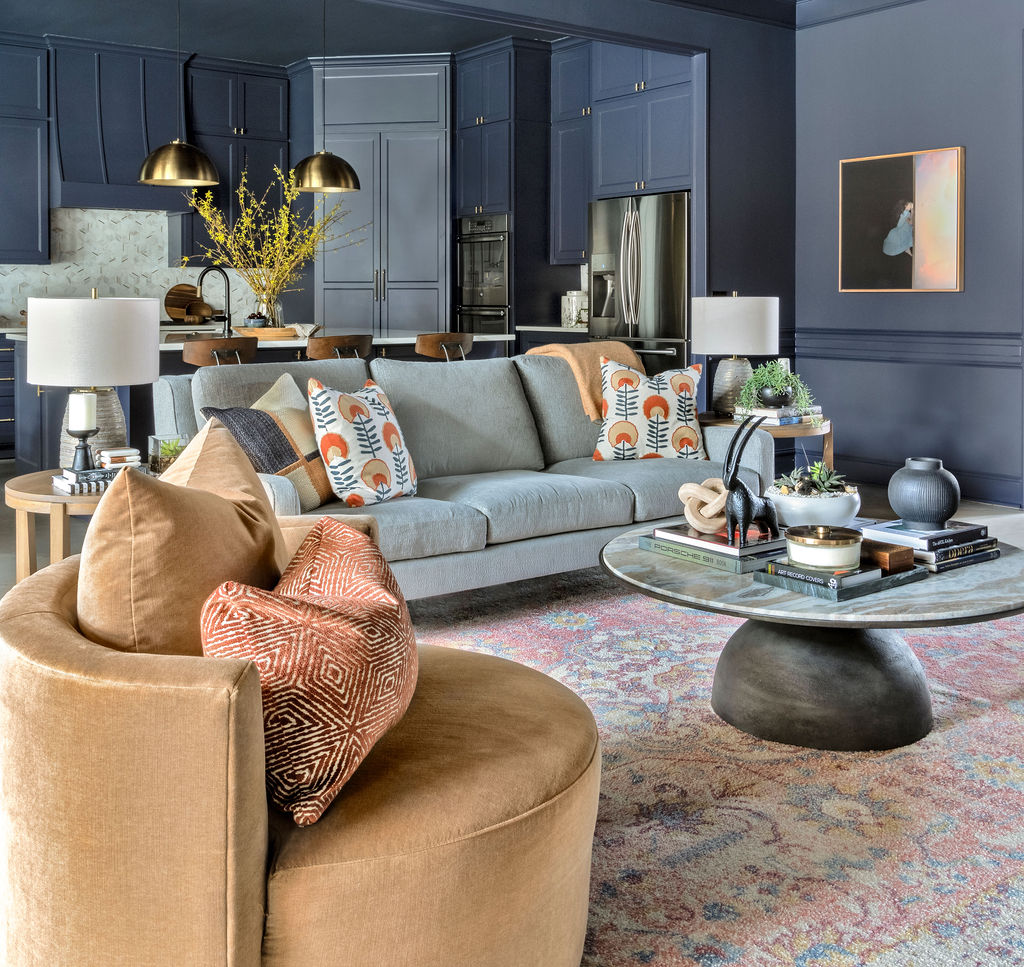
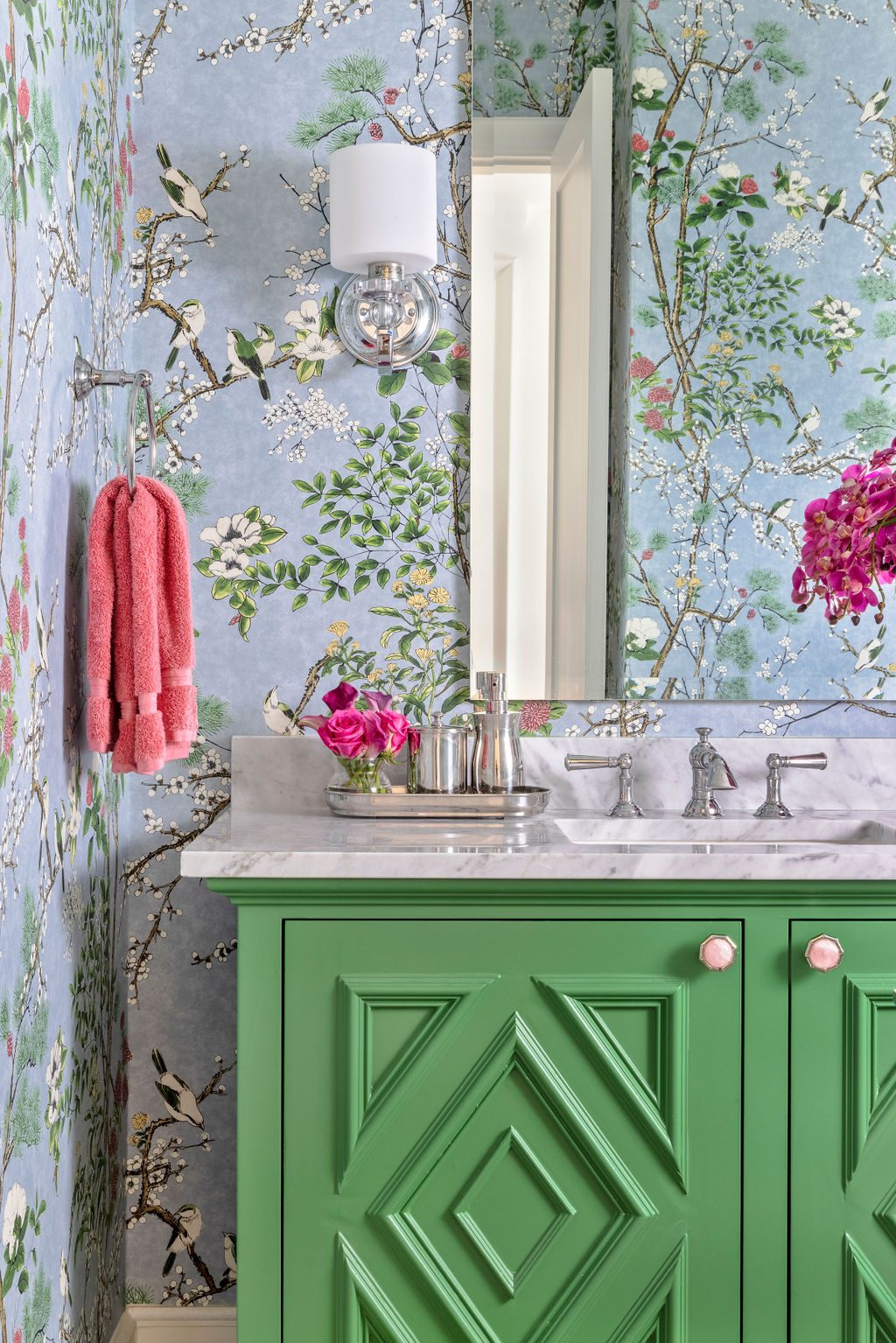

Photography: Katie Nixon Photography, Dan Piassick Photography