

Gaia G Interiors
Gaia Guidi Filippi
Interior Designer
Spaces shaped by global perspective, real life, and an instinct for the unexpected.
Gaia Guidi Filippi came to interior design by way of the luxury fashion world, working with global brands that demanded precision and an understanding of what the most discerning clients truly respond to. She grew up between cultures, languages, and places — absorbing history, craftsmanship, and contrast — and that background is woven into everything she makes.
Gaia doesn't work from a signature style, and she'll tell you plainly that she's actively resisting one. Her point of view is rooted in context: the architecture, the setting, and the people who will actually live in the space. Every project is different because every client is different. The goal is always something elevated, personal, and a little unexpected — and never a repeat of something that's already been done.

Why Gaia G Interiors is on our list
Gaia brings a genuinely rare perspective to Dallas design. Her years in the luxury world gave her a deep understanding of quality and craftsmanship, but what makes her work stand out is the restraint she applies to it. She is not trying to make spaces that photograph well. She is trying to make spaces that hold up to real life — and she knows the difference.
She is selective about every person she brings into a project and protective of her clients' investments. She is direct, honest, and not interested in designing for trends. If you want a home that feels like you — elevated and thoughtful, but completely livable — she belongs on your short list.
Q
How would you describe your design philosophy?
A
My work isn't about a signature style — if anything I find myself actively resisting that. My point of view is much more about creating something that feels tied to the context, the setting, the architecture, and the people that inhabit these spaces. My clients are all so different. Why would I approach their homes in the same way?
I grew up between languages, cultures, and many places, and through that I had exposure to history, craftsmanship, and beautifully made things — but also to contrast. I always had a sense of details, but also of that tension between things that don't perfectly match, which is usually where the magic lies.
My goal is to create spaces that feel elevated, personal, and unique. And I'll always be honest with my clients about what works and what doesn't. No filter — and that's a big part of the process with me.


Q
How do you design for how people actually live?
A
I'm pretty no-nonsense about this. A lot of beautiful images don't pass the test of whether I would actually want to live in those rooms. That's where I draw the line.
I'm not going to put my clients in chairs that feel like punishment just because they come attached to an impressive name, or specify materials that may look great but quickly become a source of frustration. Real life always wins.
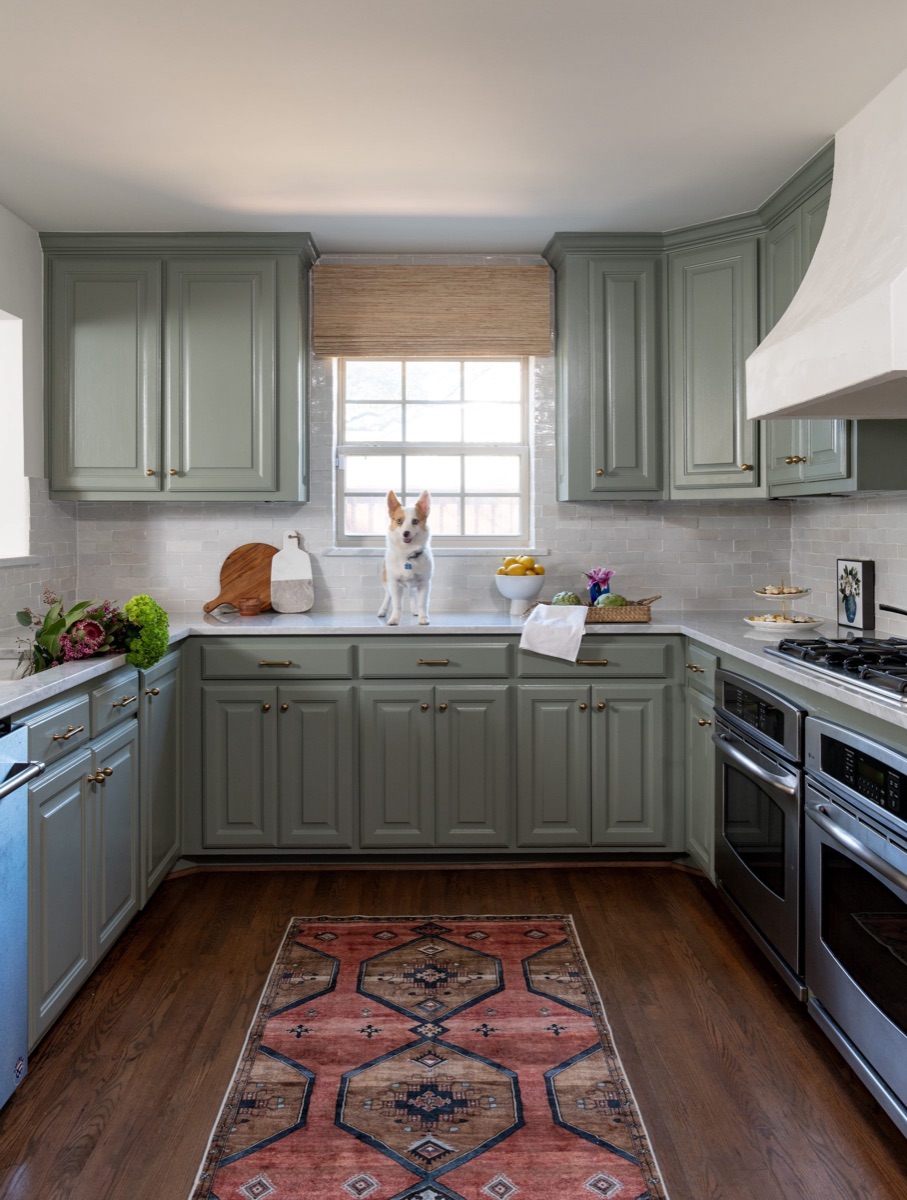
I have kids, I have a dog — I know exactly what walks through the door on a rainy day. I think about how often a client's home is cleaned, how much a family entertains, how they move through their spaces, what they're realistically willing to maintain. Textiles are a big one for me. There's a difference between something that looks beautiful and something that can actually hold up to daily life.
A home has to carry you through all seasons, not just look good in one snapshot. I'll get a beautiful result regardless — but it has to be grounded in reality. If it doesn't function, it's not good design.
“A home has to carry you through all seasons, not just look good in one snapshot.”
Q
What does your process look like when you meet a new client for the first time?
A
I'm not looking at the house first — I'm looking at the people. I pay attention to how they talk about their home. Are they excited? Overwhelmed? Do they have fixed, preconceived ideas about what they want? I'm doing this both to understand them and to get a sense of whether it's the right fit.
You learn more by listening for the first fifteen minutes than the floor plan will ever tell you. How they talk about their family, how they live, what they keep pointing out versus what they ignore — that read on the client shapes everything that happens next. Because that same house, with two different clients, would be designed completely differently.

“You learn more by listening for the first fifteen minutes than the floor plan will ever tell you.”
Q
Tell us about a project that has stayed with you.
A
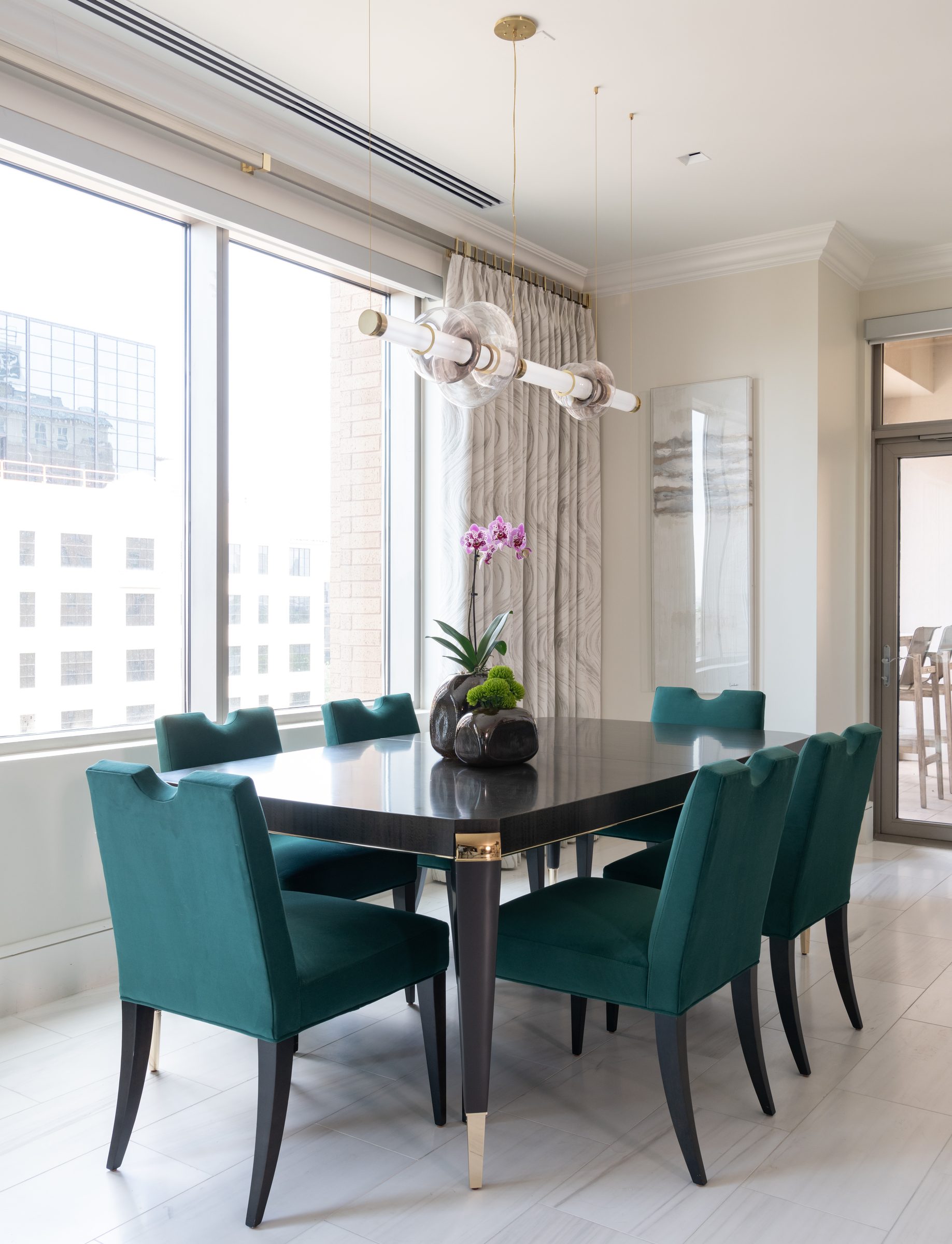
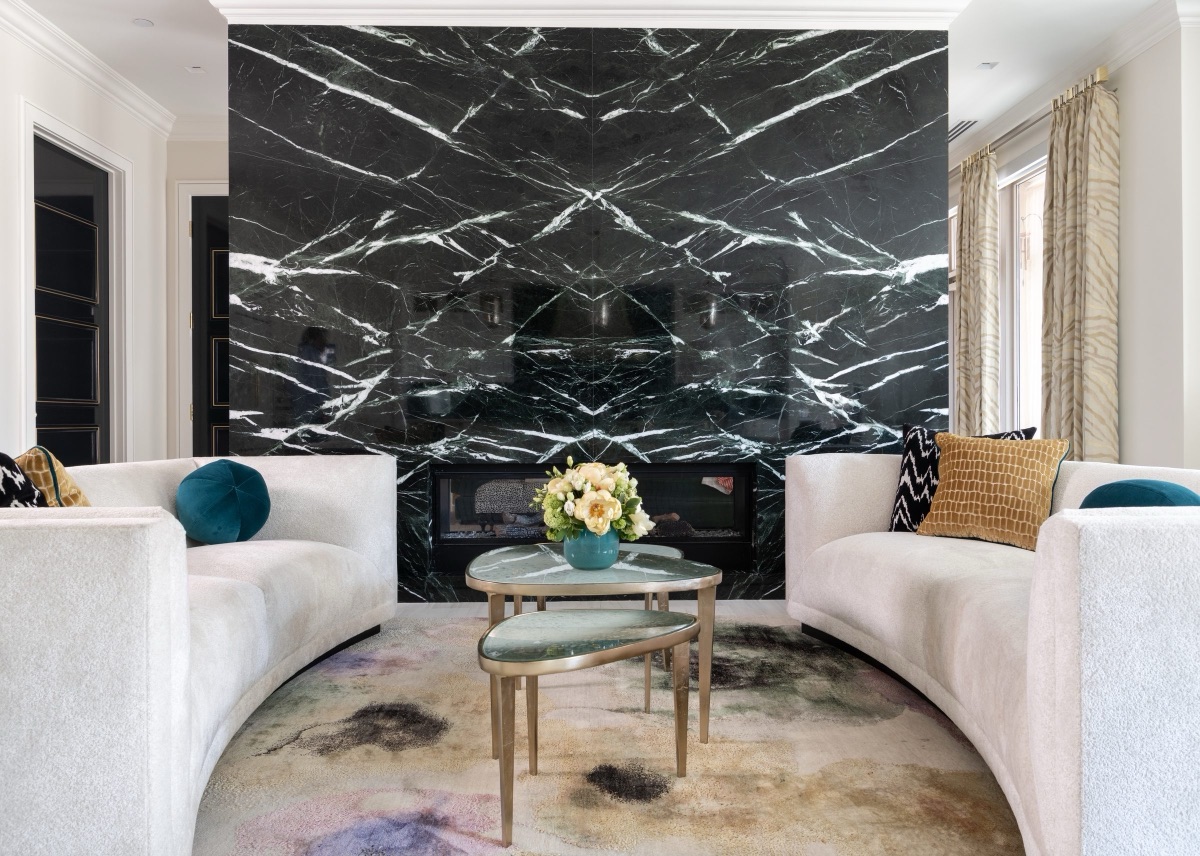
One of my earlier projects was a luxury condo that had already been completely renovated. Very high-end finishes — expensive and polished, but so cold. All hard surfaces, completely impersonal. The client was also struggling with decision fatigue, buying things and immediately feeling disconnected from them.
I had a lot of limitations built into the project: I couldn't change the flooring, the cabinetry, the architectural lighting. Some things had to stay or be reworked. The challenge was finding ways to layer in warmth and personality within those constraints.
At the end, when I stepped back, it felt completely like her — more than either of us had thought possible. It wasn't my largest project, but it had a big impact on how someone actually felt in her home. Shifting that feeling of frustration to ease — that part stays with me.
Q
What makes a client relationship work?
A
The best working relationships I have are built on trust, and that trust gets established quickly when a client feels heard. I'm paying attention to how they actually live and the plans they have for the space — but I'm also helping them imagine what could be.
What I find is that when clients are open to being pushed a little — while still being respected in terms of budget, timing, and priorities — you can go places you just can't otherwise. Some of my favorite outcomes have come from those moments of real collaboration, where an unconventional idea gets explored together and lands better than I had originally imagined.
Mutual respect and a bit of creative back-and-forth — that's when I do my best work.
Watch the feature
Portfolio
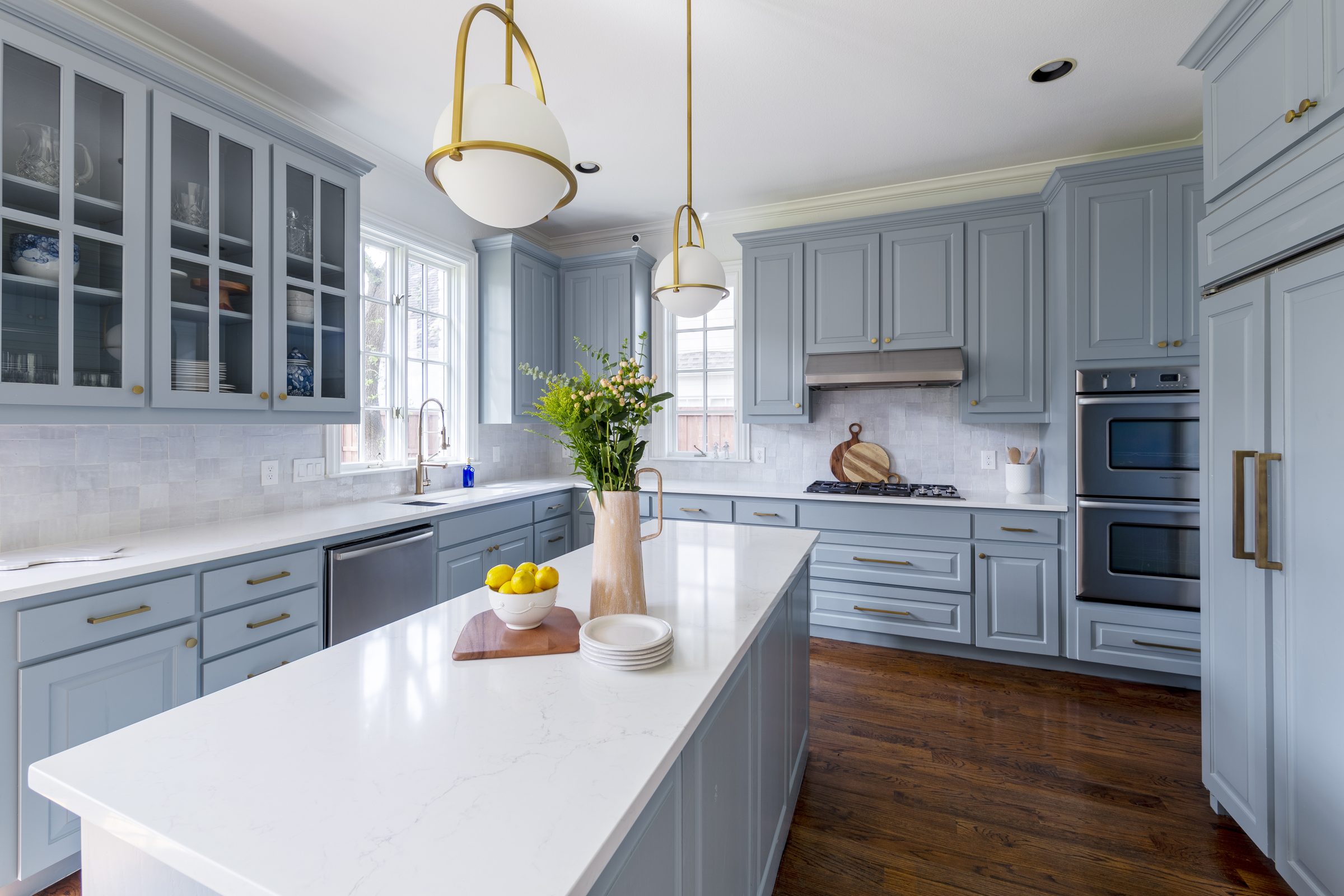
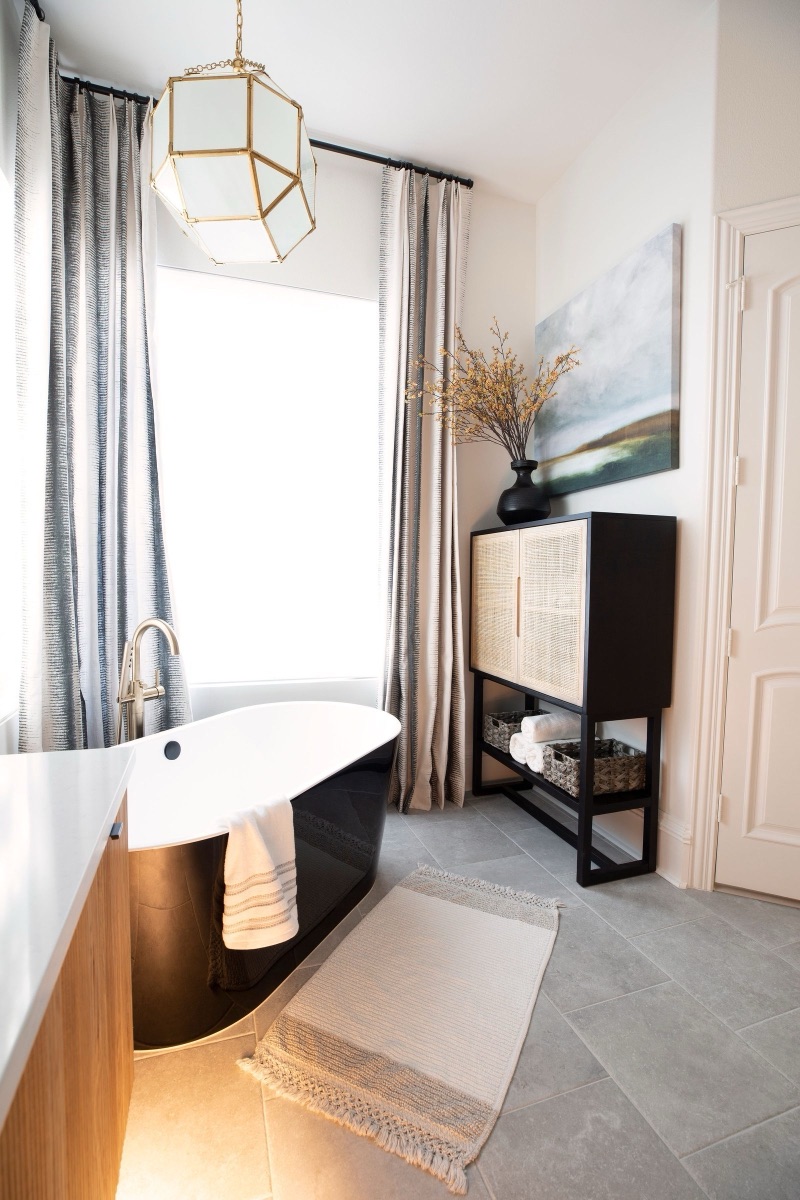
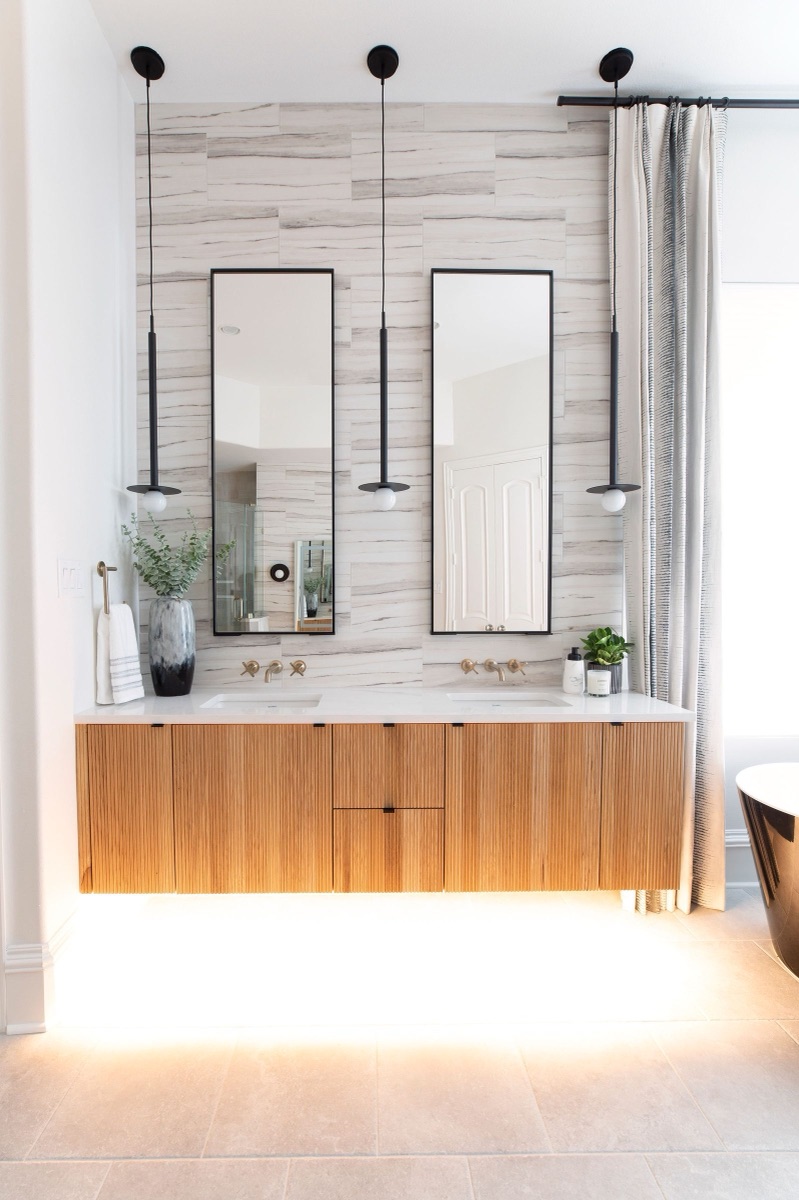
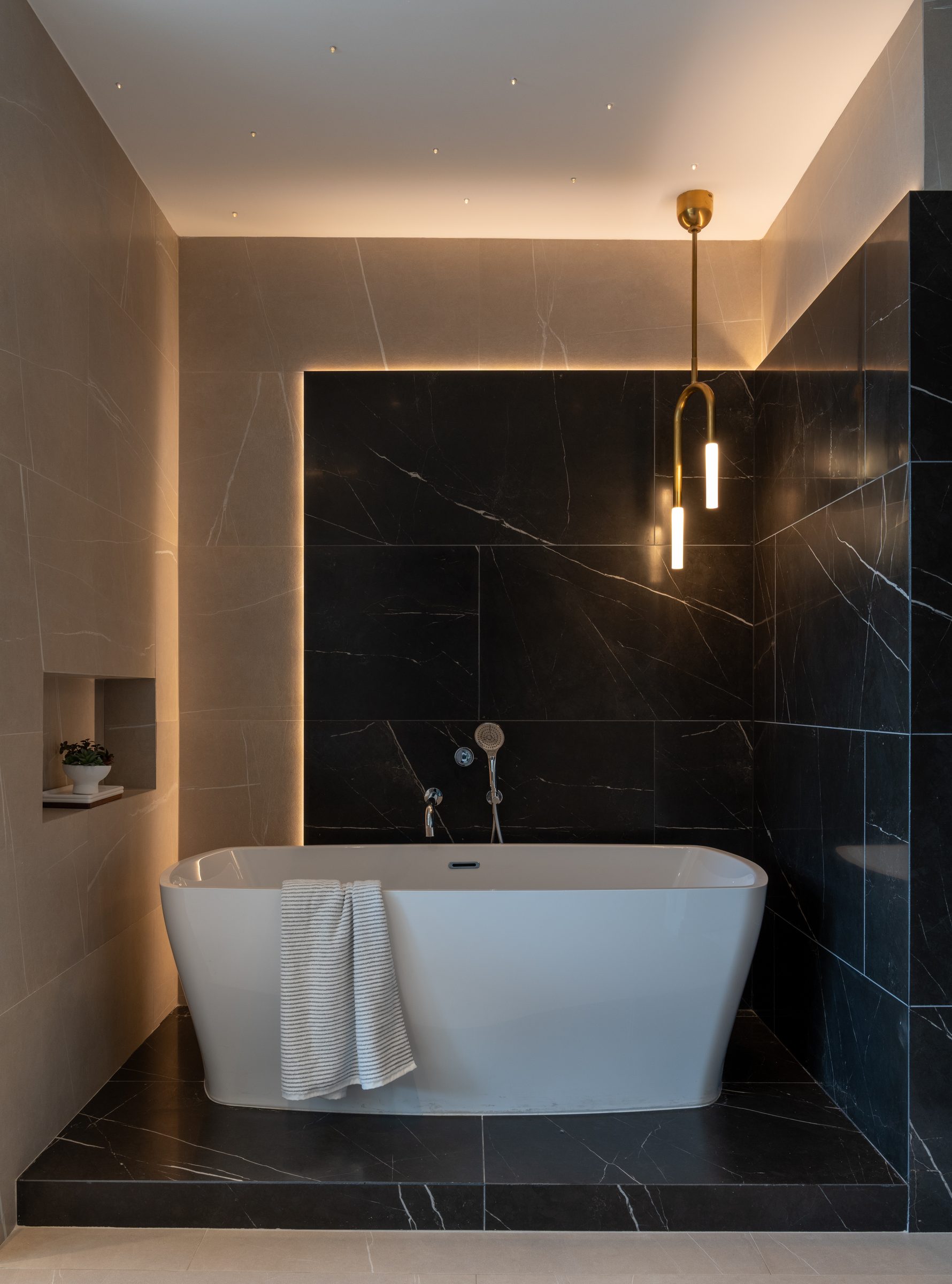
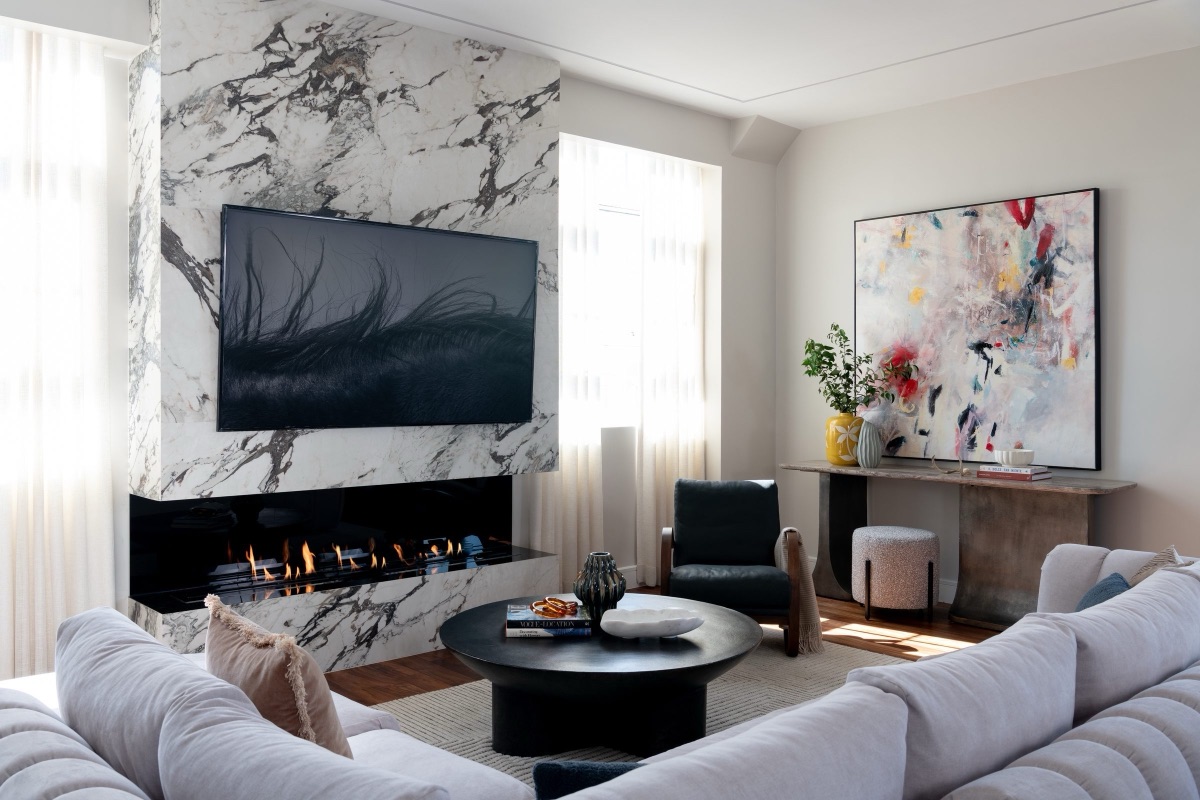
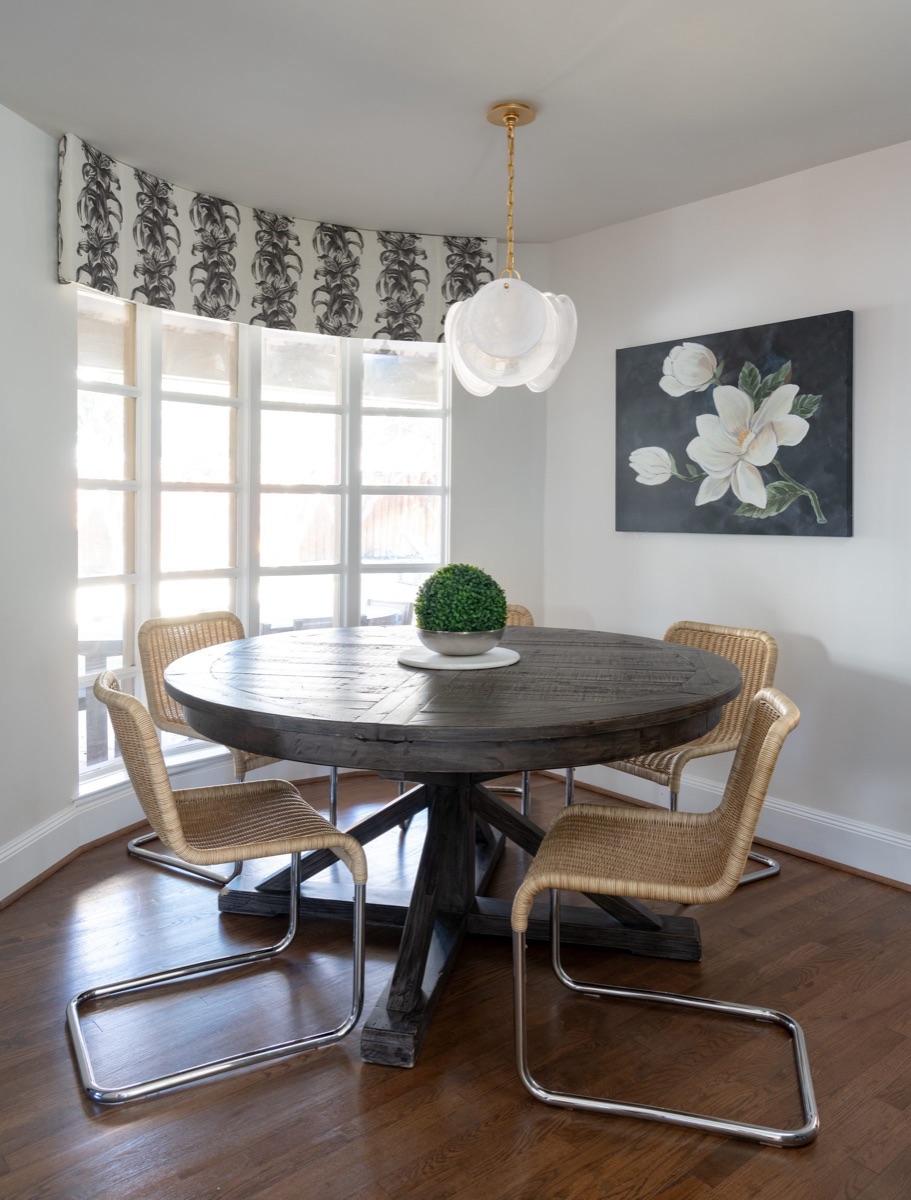
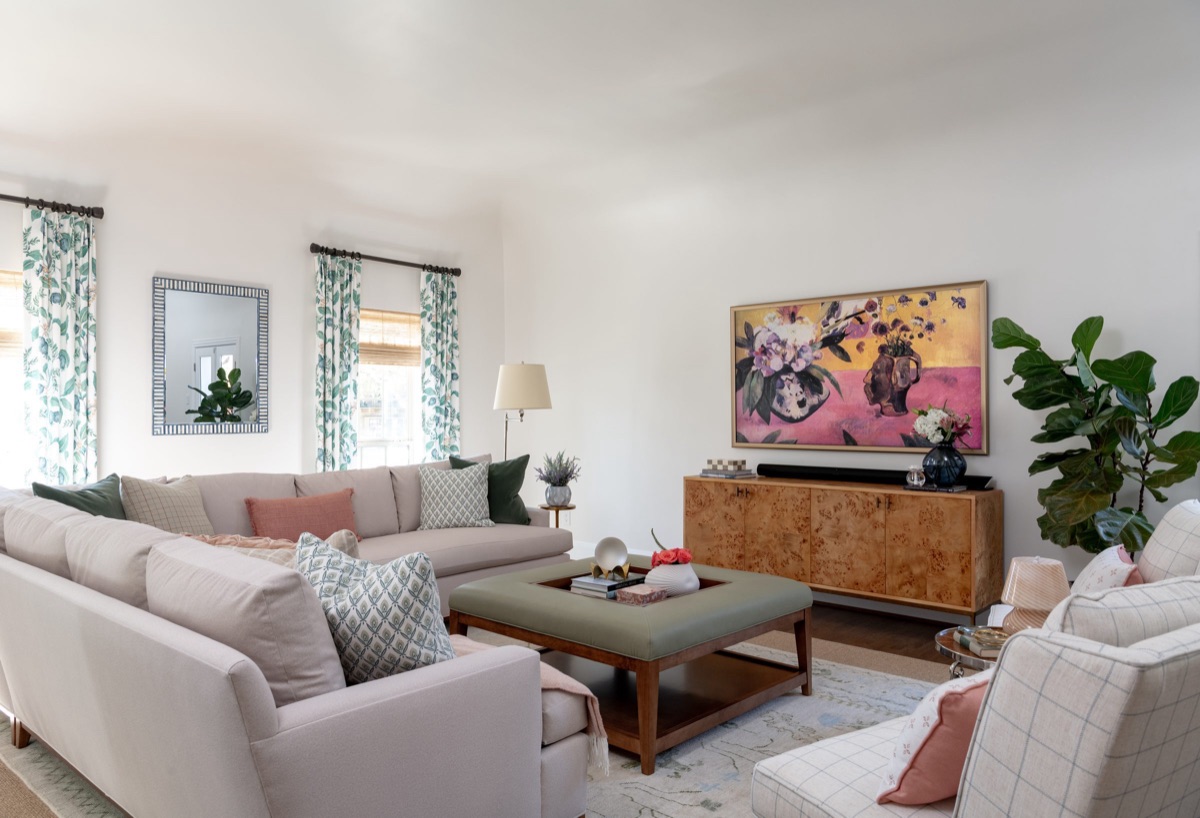
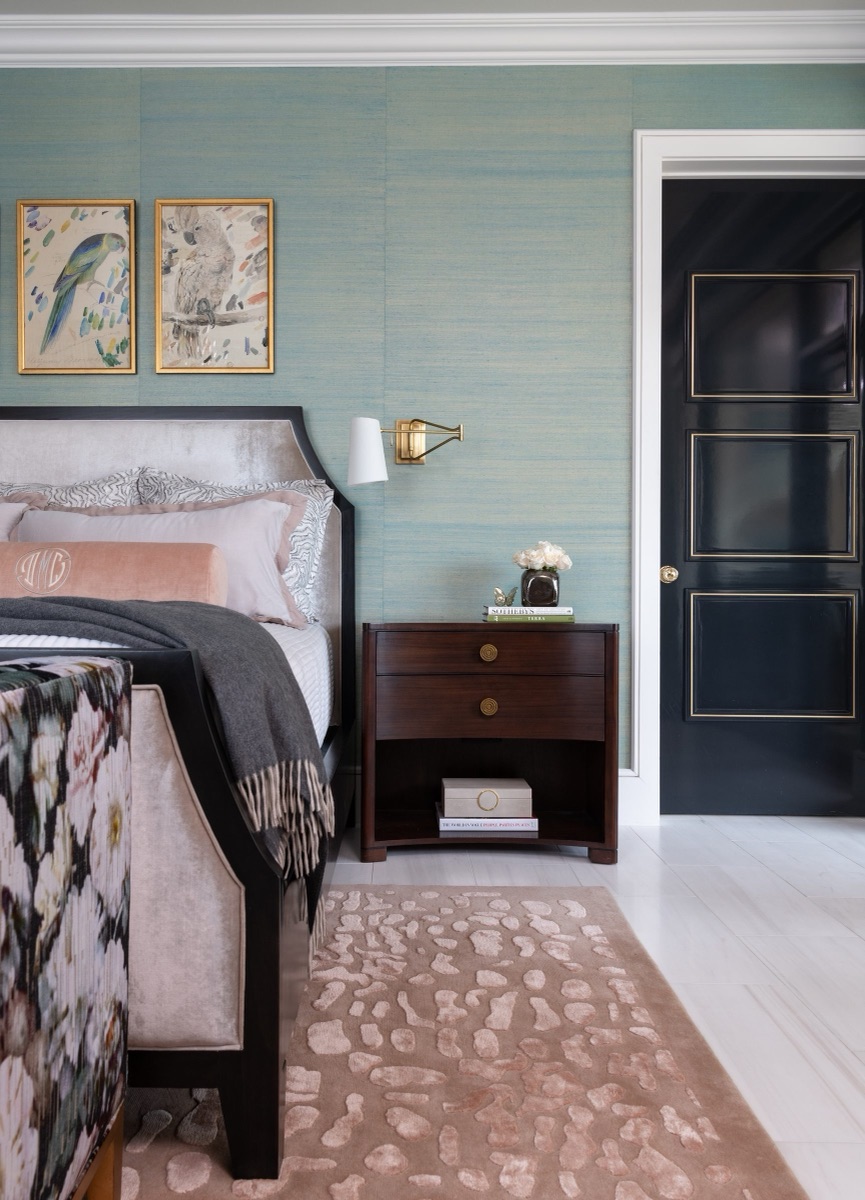
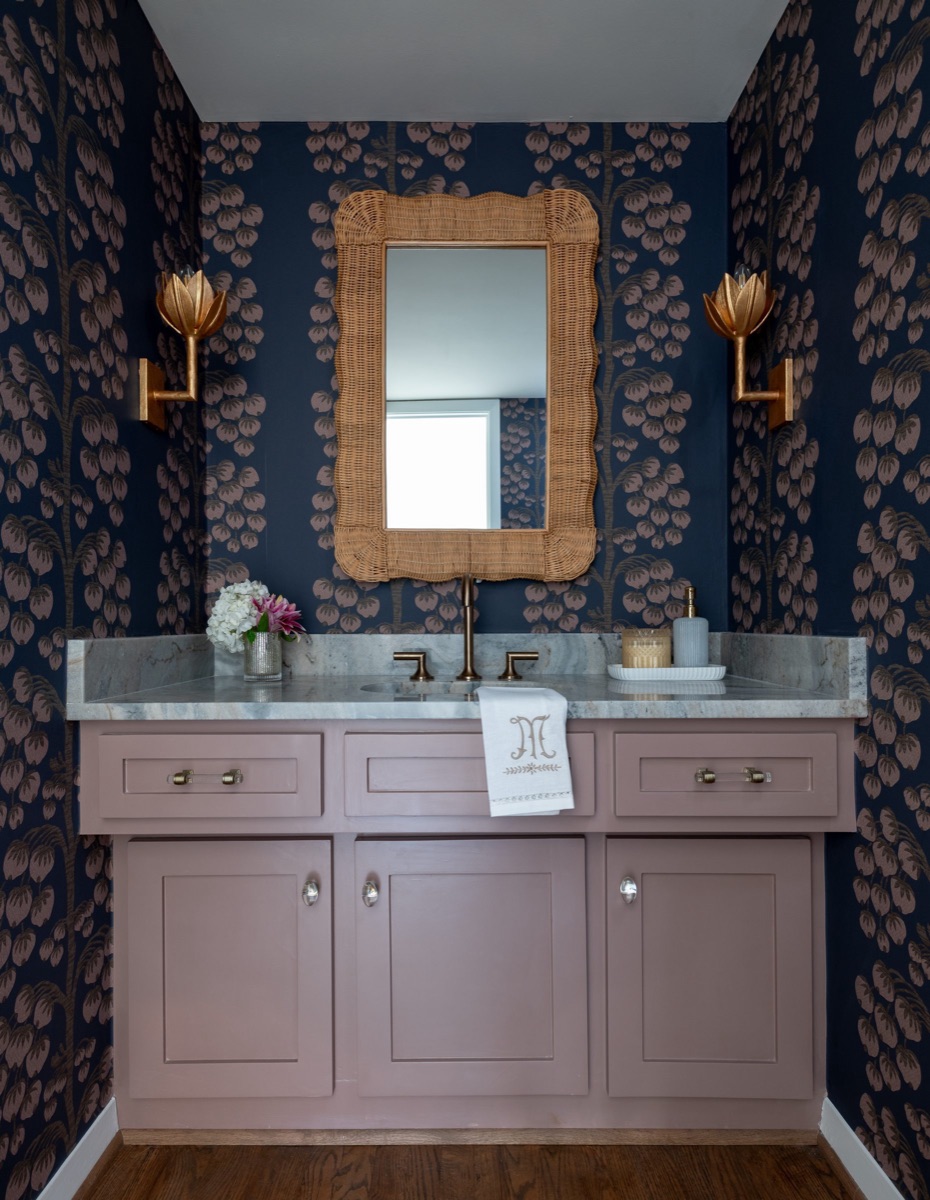
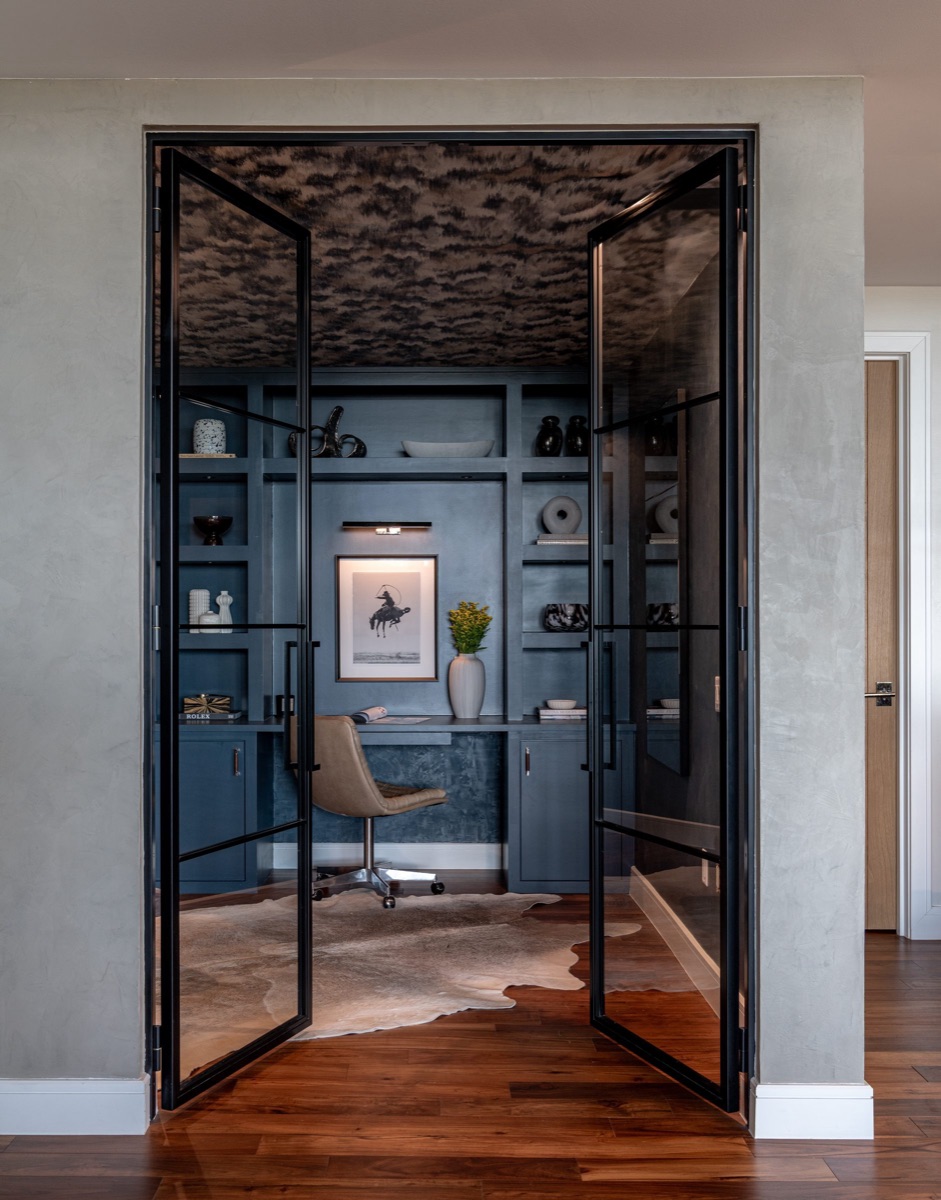
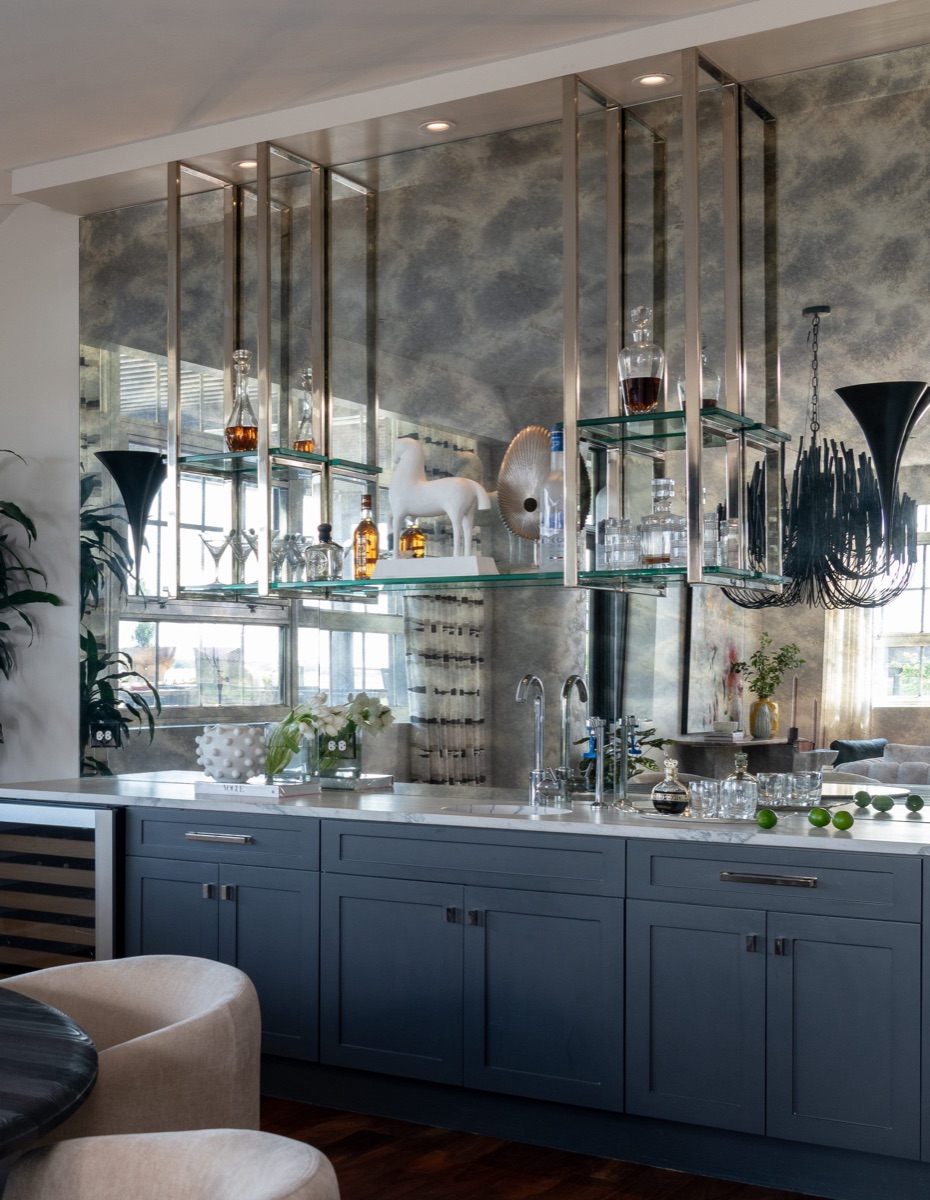

Photography: Michael Hunter, Ashley Ippolito