

Studio EL73
Eric LaPointe
Architect
An architect who listens first. Then designs something more personal than what you had in mind.
Eric LaPointe of Studio EL73 starts every project the same way, by asking questions most architects never think to ask. He wants to know how you move through your home, where you keep your holiday decorations, and what quietly drives you crazy every single day. The smallest details, he believes, reveal the most about how people truly live.
Before becoming an architect, Eric spent years working as a framer and construction project manager. That background shapes everything he does. He designs creatively and keeps budgets in mind from the start, because his least favorite project is one that never gets built.

Why Studio EL73 is on our list
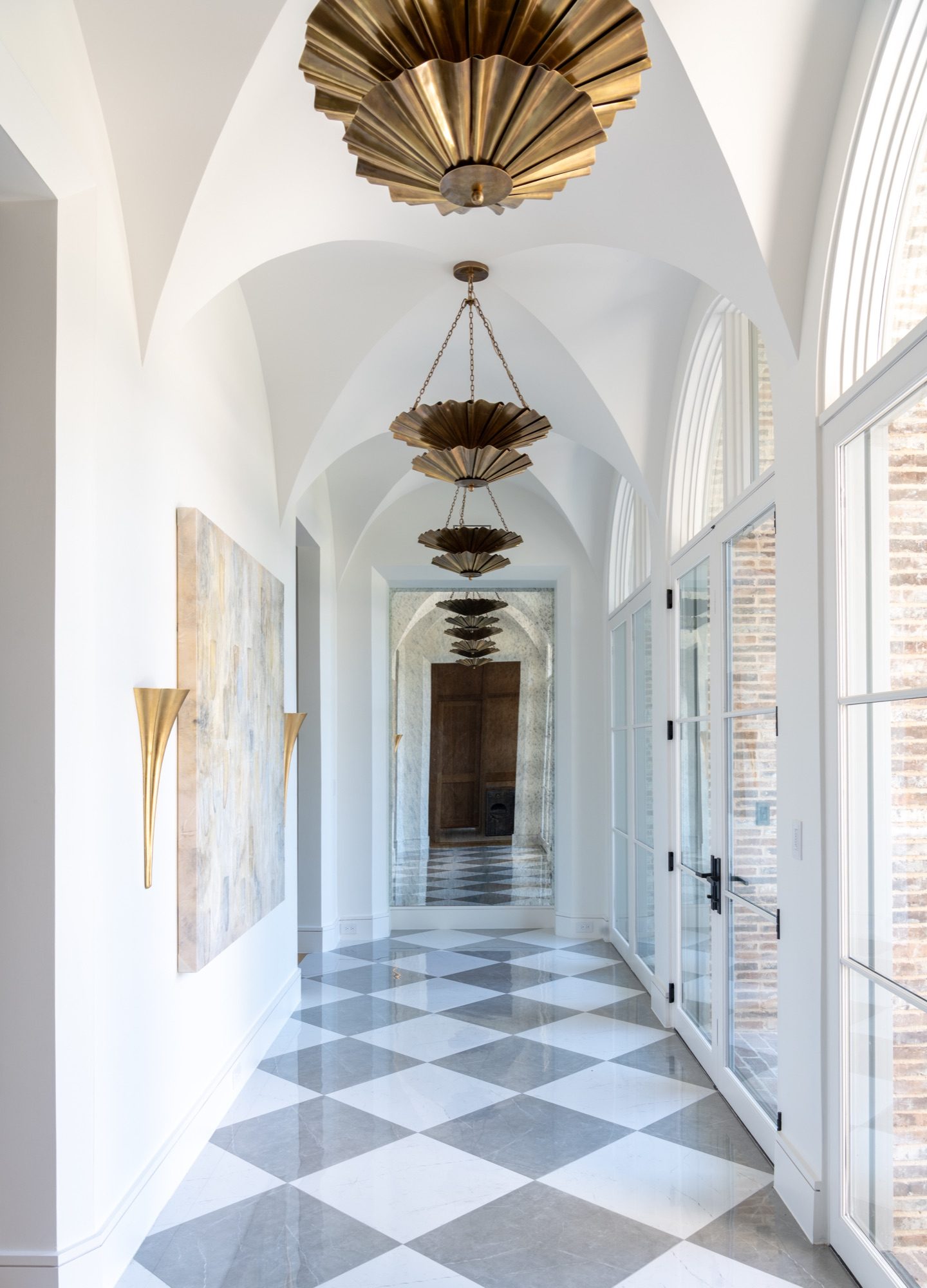
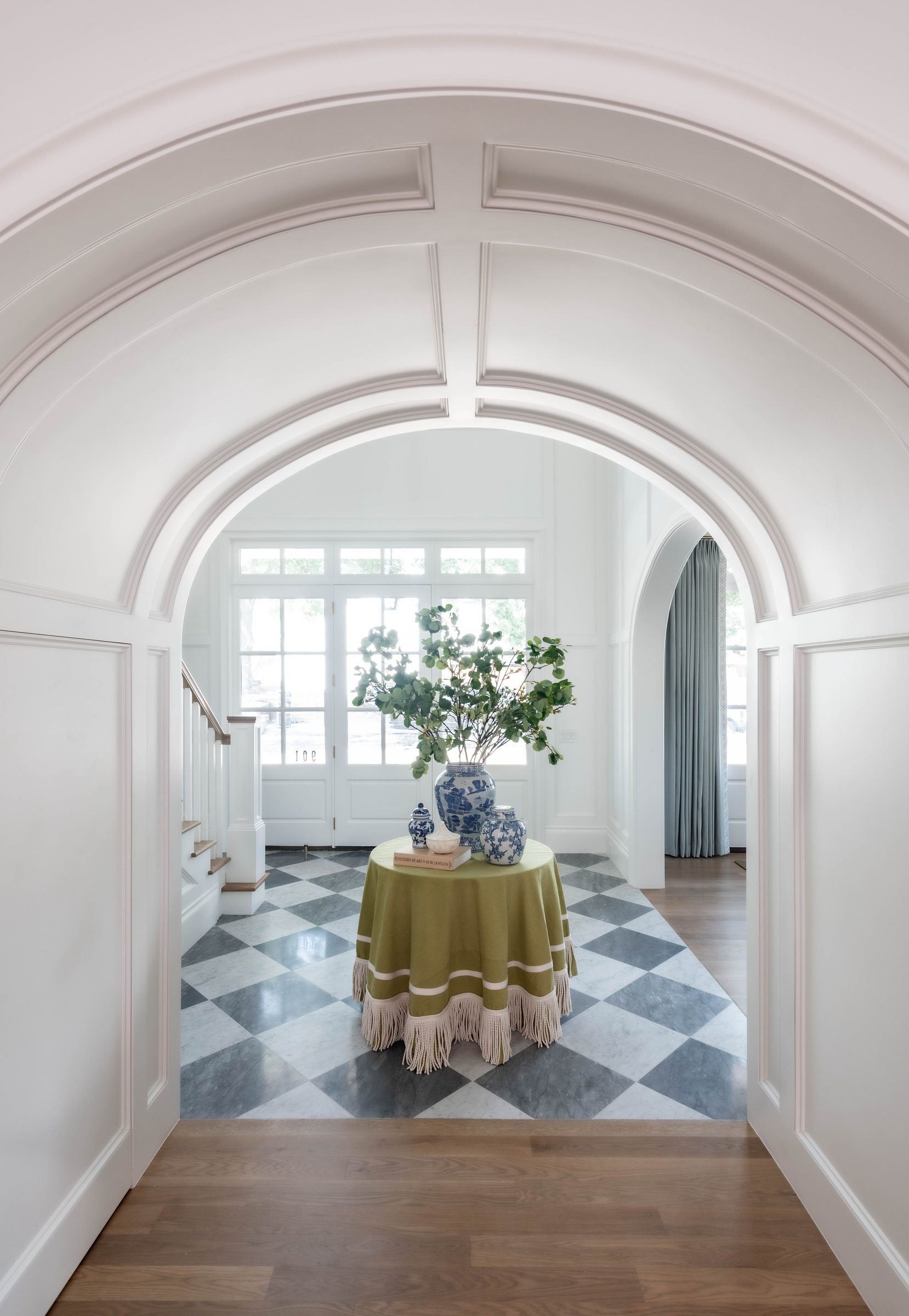
Eric designs with a quiet intentionality that reveals itself over time. Every hallway ends somewhere worth looking. Every storage need is solved before construction begins. The result is a home that feels calm, functional, and distinctly yours.
He also brings something rare: years of hands-on construction experience before he ever touched a drafting table. That means his drawings are grounded in reality, his budgets hold, and his vision actually gets built.
Q
How would you describe the philosophy that guides your approach to architecture?
A
My first step is always to listen and ask questions. I want to understand not only the spaces a homeowner needs, but the rhythm of their daily life. How do they move through their home? What aspects of their current spaces work well, and what feels unresolved? What would their home look like in an ideal world?
I ask a lot of questions because the smallest details often reveal the most about how people truly live. Understanding how someone cooks is important, but so is knowing where they keep their socks. These everyday habits provide insight into patterns of use that ultimately shape the design.
From there, decisions about space, light, and material begin to emerge. By understanding the nuances of daily life, the architecture can respond in a way that enhances comfort, functionality, and the overall experience of living in the home.

“The smallest details often reveal the most about how people truly live.”

Q
What kinds of clients or projects allow you to do your most meaningful work?
A
We live in a time when images and ideas are constantly circulating through social media. While that can be inspiring, it also means many of us are exposed to the same references. Architecture can start to move a bit like fashion, where what feels fresh today quickly becomes familiar tomorrow.
The projects that feel most meaningful are those where clients are open to exploring beyond those references. The best collaborations happen when clients are willing to engage in the process, to ask "what if," and to consider possibilities they may not have encountered before.
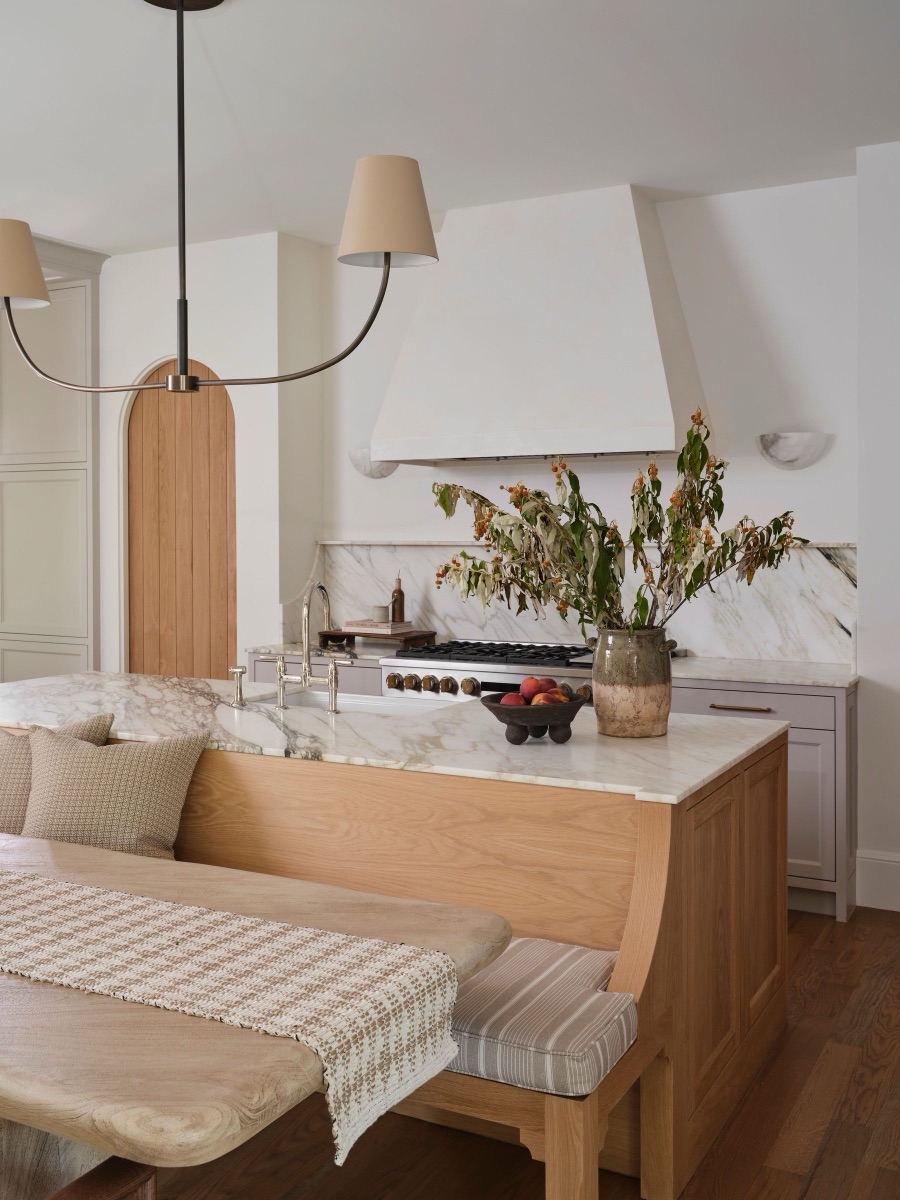
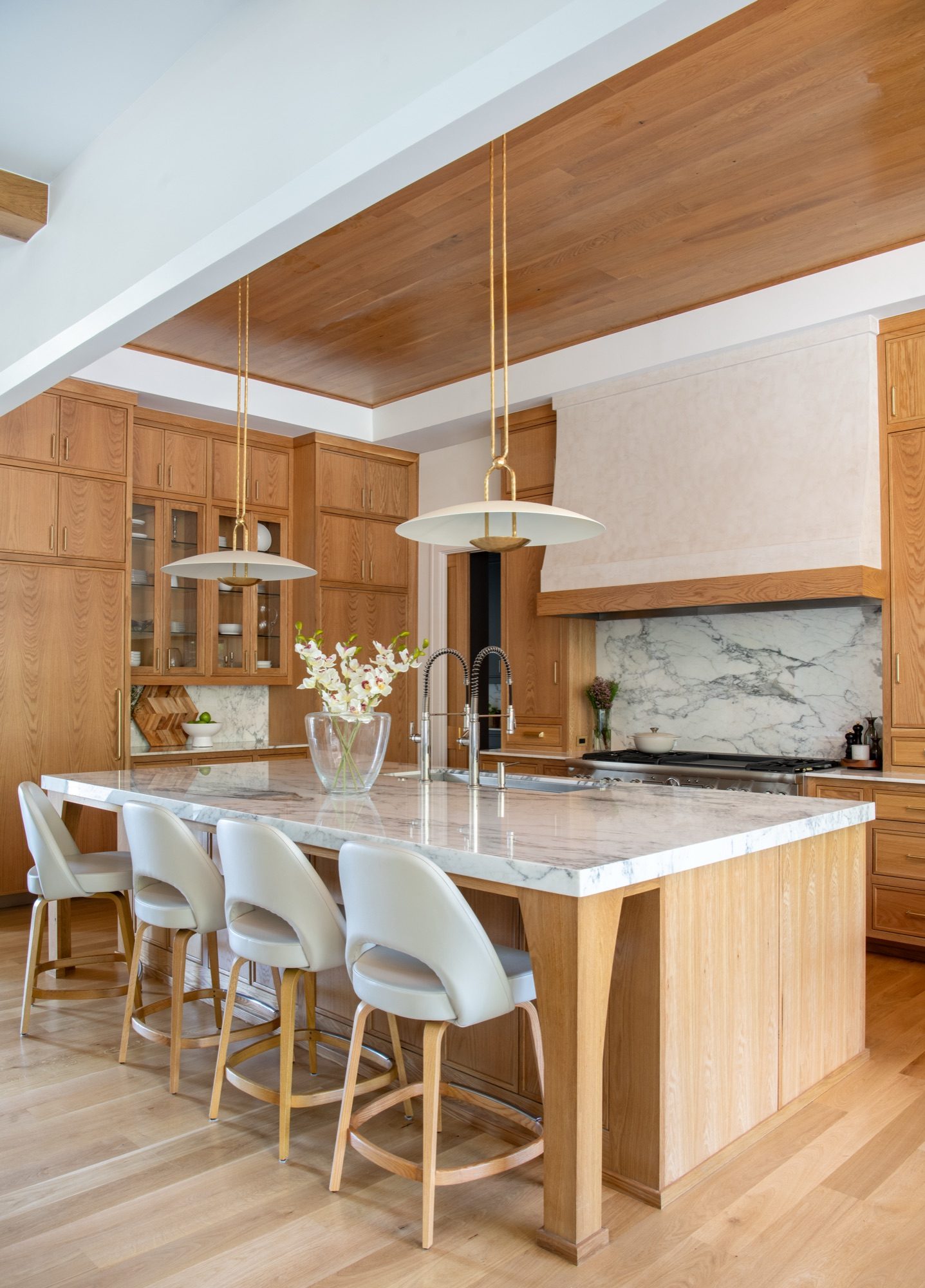
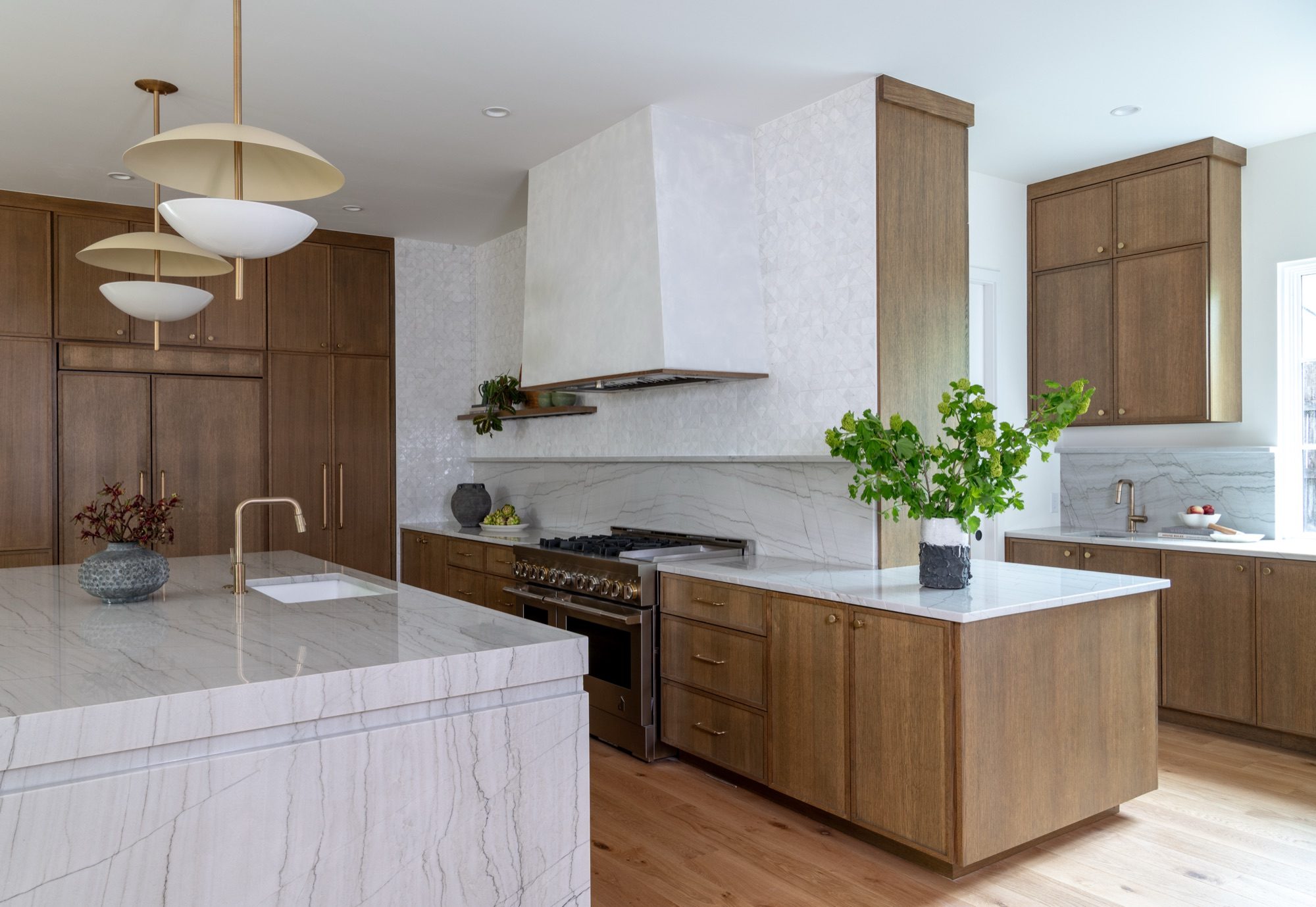
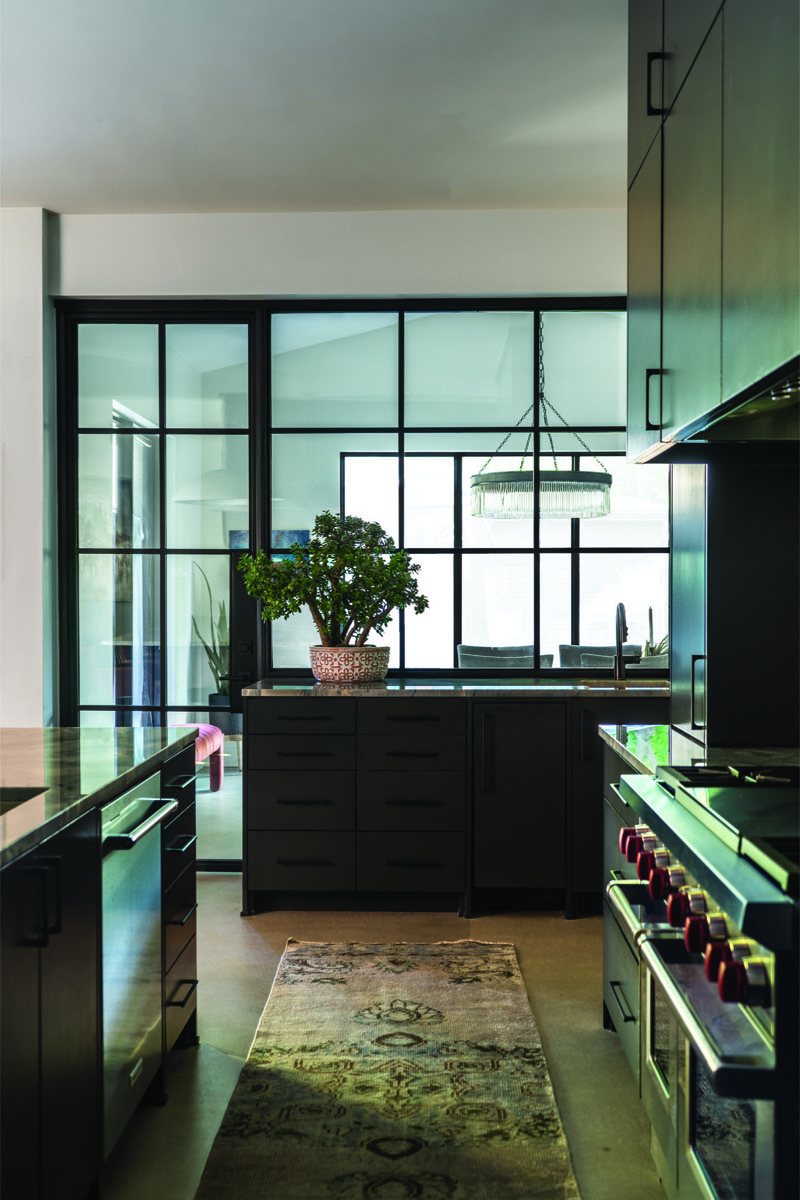
Often someone might arrive with an image of a kitchen they admire. It may be beautiful, but the real opportunity is to move past replication and create something tailored specifically to them. When a design grows out of a client's life, habits, and aspirations, the result is a home that feels distinctive and deeply personal. It becomes something they experience every day as uniquely their own.
“When a design grows out of a client's life, habits, and aspirations, the result is a home that feels distinctive and deeply personal.”
Q
Where does the most lasting value in a home come from, the decisions homeowners may not immediately see but will feel over time?
A
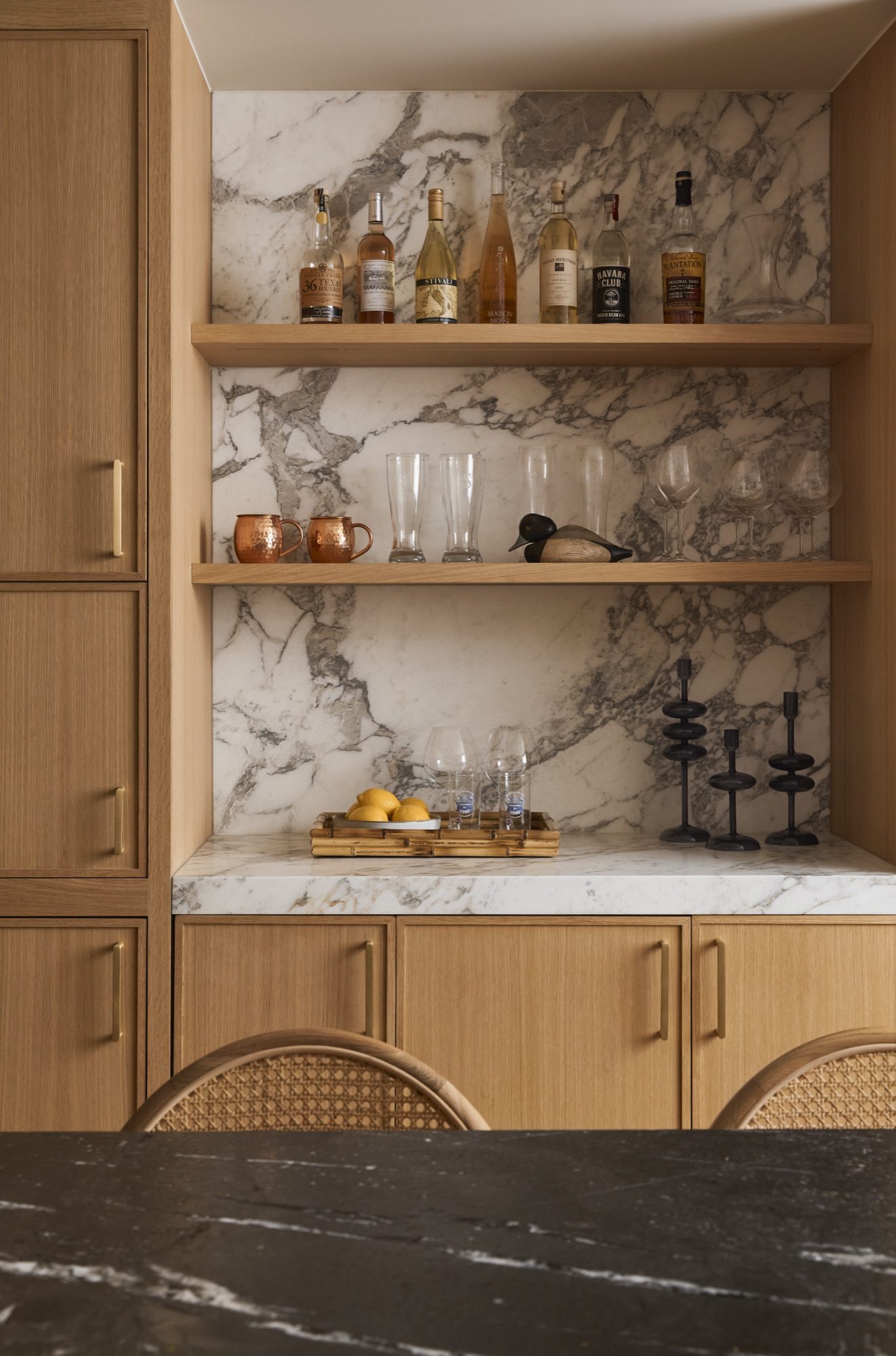
Much of the lasting value in a home comes from addressing what I think of as the underlying structural questions of daily life. I spend a great deal of time thinking about where things actually go. Where do you keep wrapping paper, holiday decorations, extra technology cords, or lightbulbs? These small but persistent realities shape how a home functions day to day.
I believe every item in a home should have a thoughtful place, and the design process is the moment to address those needs. When storage and organization are considered early, they can be seamlessly integrated into the architecture rather than added later as compromises.
When these details are overlooked during design, they often become afterthoughts once construction is complete. Over time that can lead to clutter and improvised solutions. Thoughtful planning allows a home to remain calm, functional, and intuitive for years to come.
It is the kind of value homeowners experience often without consciously noticing it. Yet when it is missing, they feel the lack of it every single day.


Q
How do you help clients protect the integrity of the design while navigating budget and real-world constraints?
A
While I am highly creative, I also have a very practical side. What seems like a whole life ago I spent time working as a framer and later as a construction project manager, so I have a strong understanding of the residential construction process. That experience allows me to approach each project creatively while staying grounded in what is realistically buildable.
Every project is tailored to the homeowner, but it is always developed within the framework of constructability and budget. For example, many homeowners initially express interest in a full wall of retractable glass to create seamless indoor-outdoor living. When we discuss the cost, they often realize that an equally beautiful solution can achieve much of the same experience without requiring the entire wall to open.
My least favorite project is one that never gets built. Keeping the budget in mind from the beginning helps ensure the design can move forward. As an architect, my responsibility is to balance vision with practicality and find solutions that create something truly special within real-world constraints.
Q
When someone walks into a home you designed for the first time, what do you hope they feel?
A
I hope they feel a sense of presence that reflects the story of the homeowner and their family. A home should feel personal and connected to the people who live there.
I also hope they feel a sense of curiosity as they move through the space. Ideally, the architecture encourages them to continue exploring, to turn the next corner, and to pause at moments that reveal something beautiful or unexpected. A home can create a subtle sense of journey, where spaces unfold gradually rather than revealing everything at once.
In every project, I try to introduce something distinctive. Whether it is a small architectural gesture or a carefully composed moment within the space, I aim to create elements that feel special and memorable, something that may not have been seen before but feels perfectly at home there.


Q
Is there a small design decision, something subtle, that can completely change the experience of a home?
A
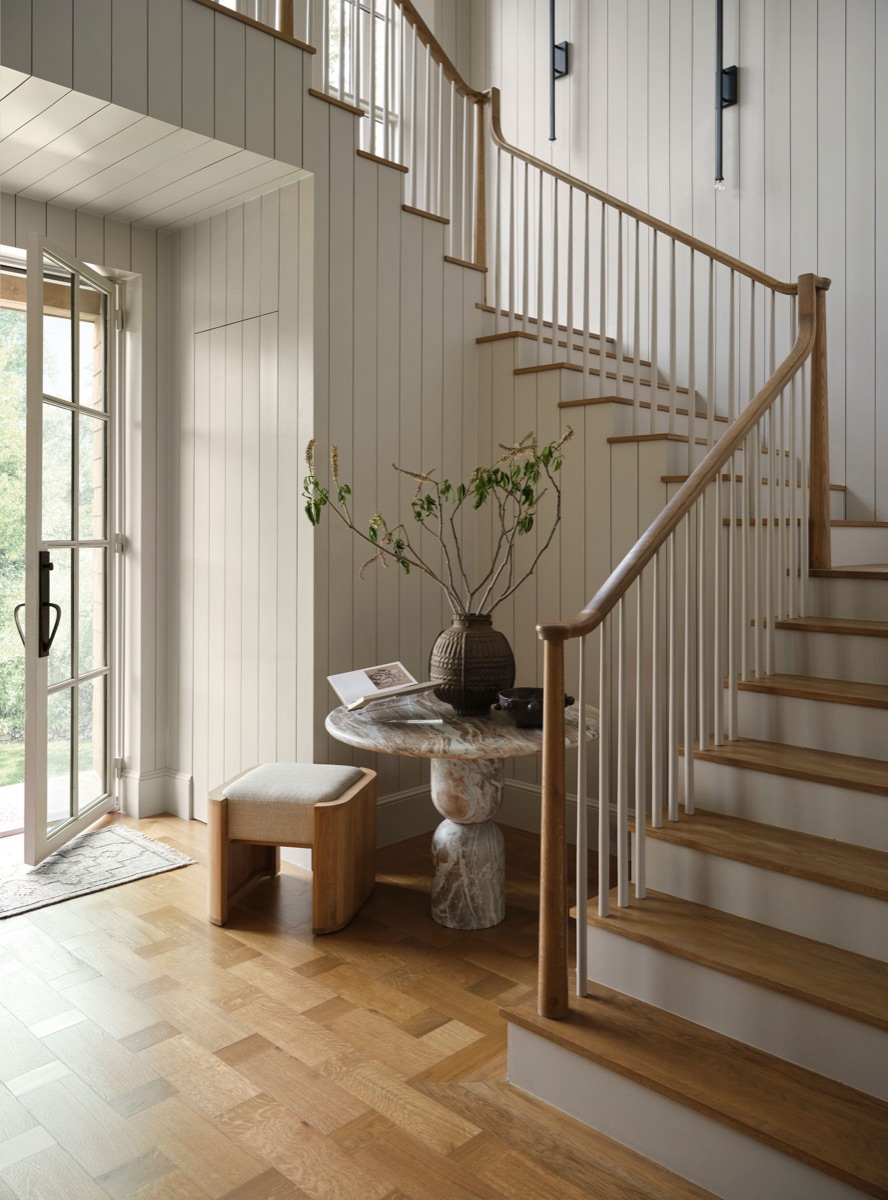
One subtle design consideration that is often overlooked is the sequence of views you experience as you move through the house. I am not referring to views outward to the landscape, but the views within the home itself. What do you see at the end of a hallway, when you enter the laundry room, or as you move up a staircase?
These small, intentional moments can significantly elevate the experience of moving through a home. For example, placing a piece of art at the end of a hallway instead of a door transforms the space from simply a passageway into a moment of pause and reflection.
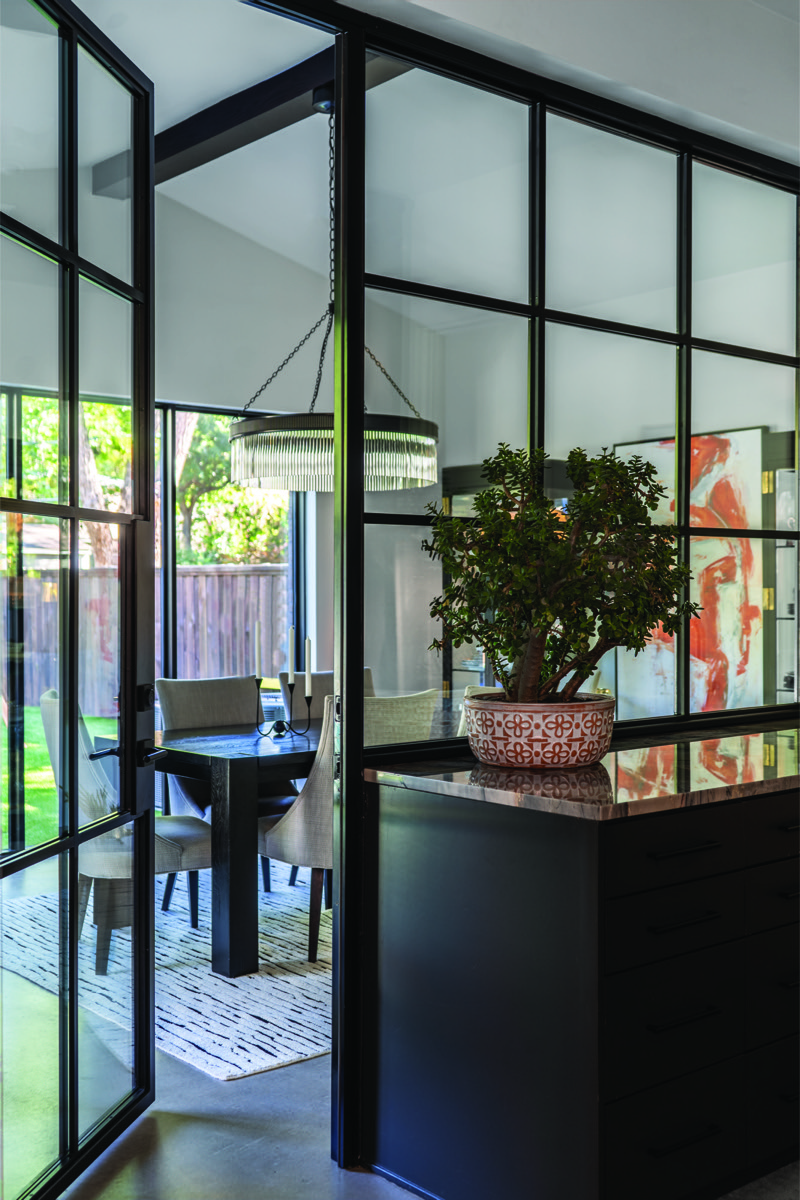
In more utilitarian spaces like laundry rooms or pantries, I often align a window with the door so that when the door is open there is a direct visual connection to the outside. These subtle alignments and framed views quietly enrich everyday routines and make the experience of the home feel more thoughtful and considered.
Watch the feature
Portfolio
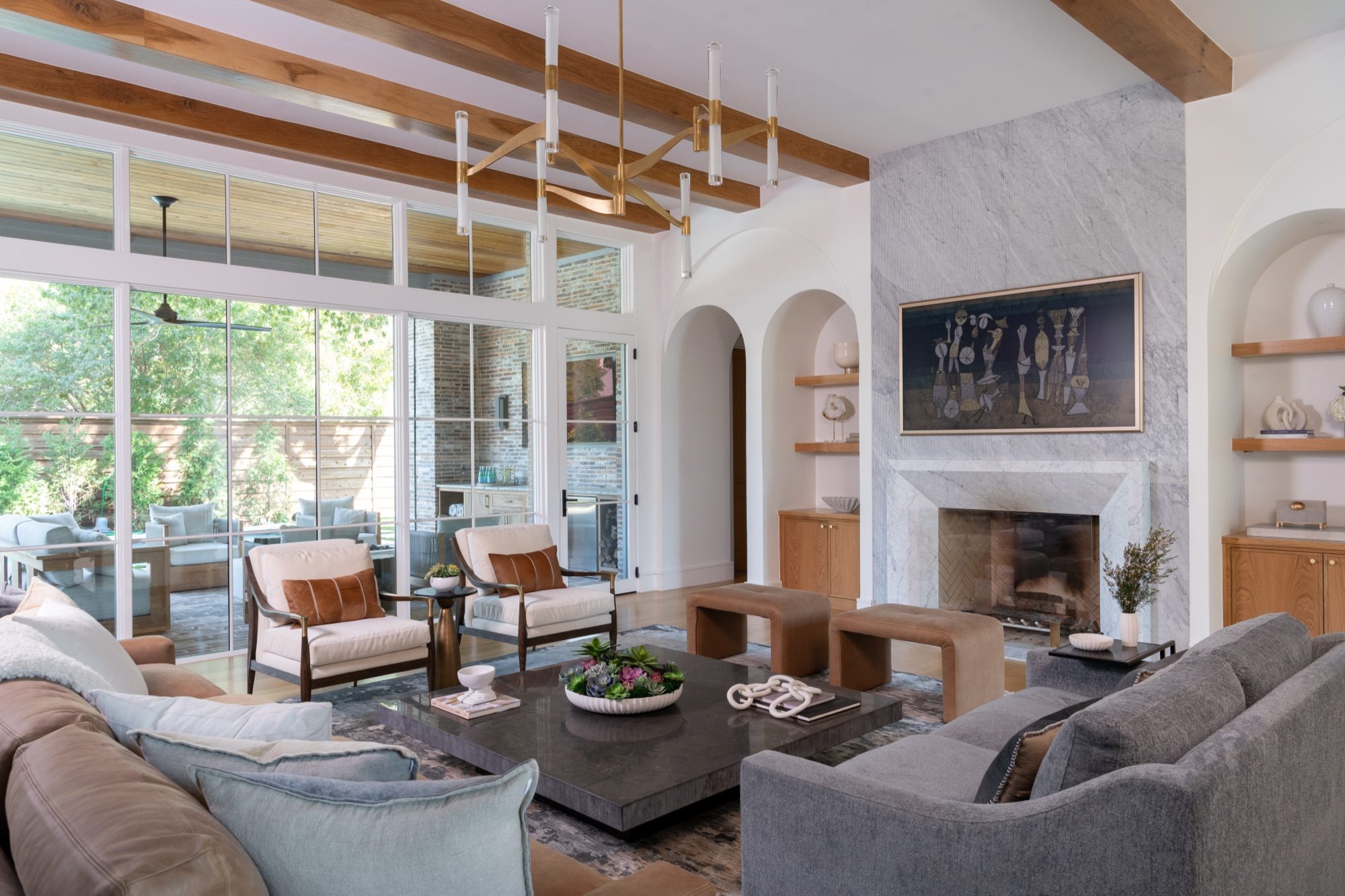
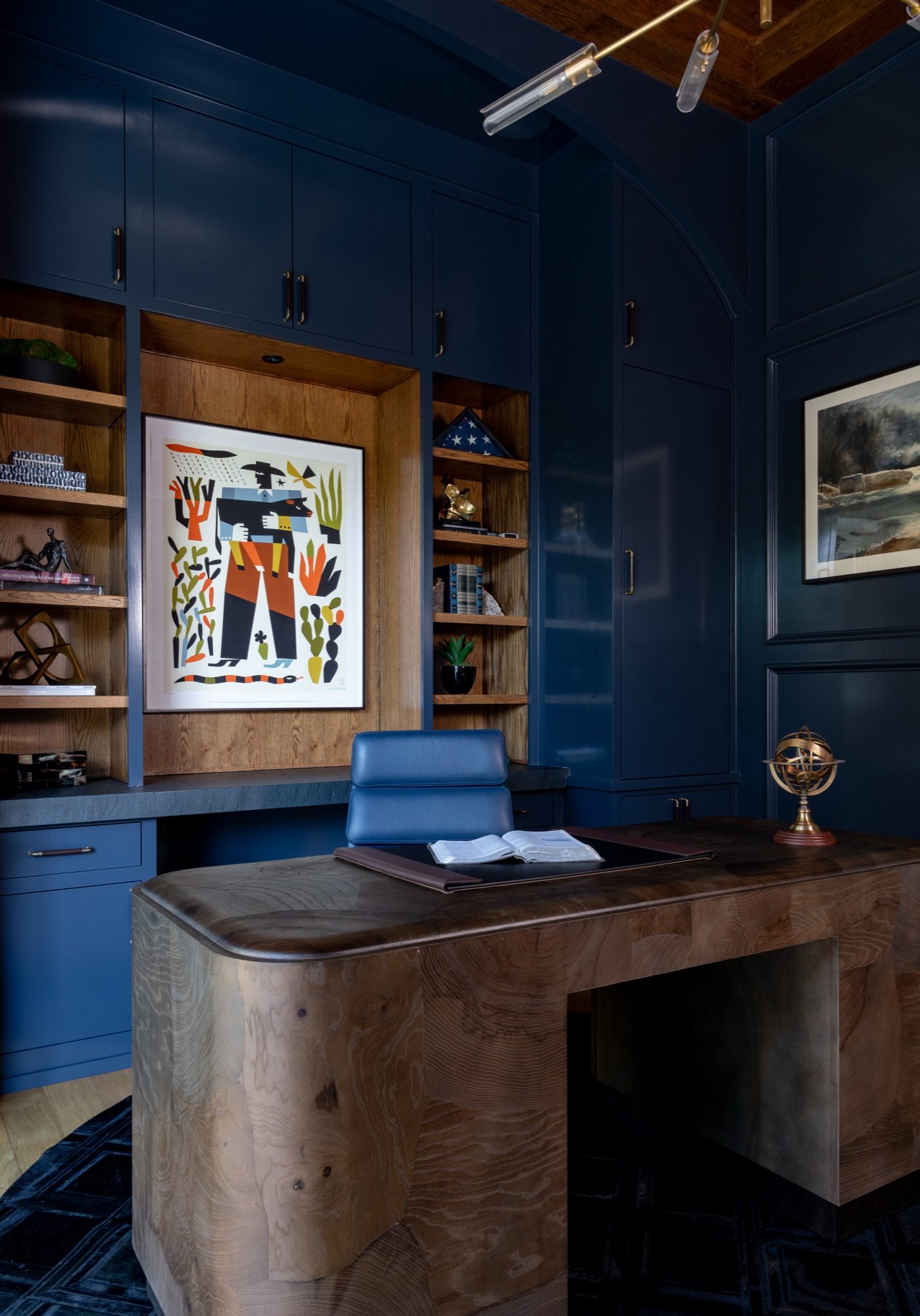
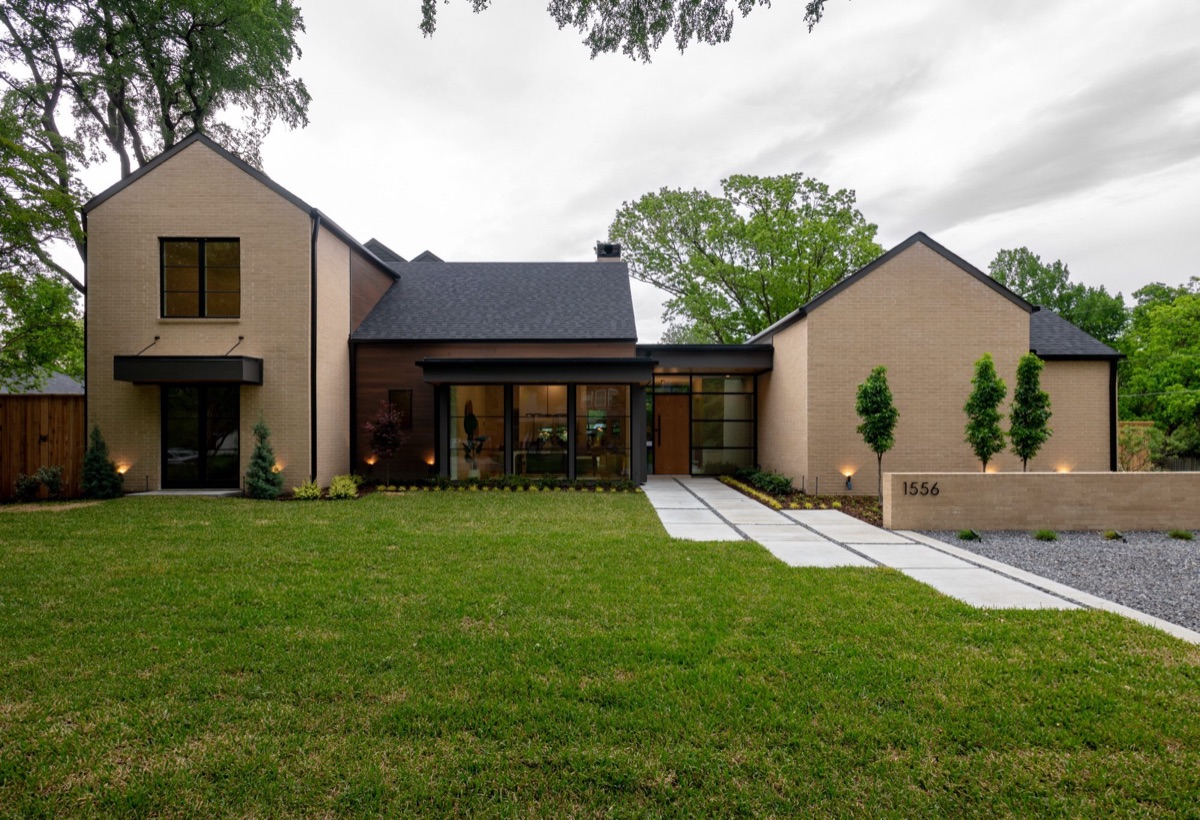

Photography: Michael Hunter