

Buchanan Architecture
Russell Buchanan
Architecture
Simple, ordered spaces built on logic and precision.
AIA College of Fellows. Practicing in Dallas since 1992.
Russell Buchanan founded his firm in Dallas in 1992 with a conviction that has not changed in more than thirty years: good design should make logical sense to everyone in the room. Not just the architect, but the builder, the client, and anyone who walks through the door years later. When the reasoning behind each decision is visible and grounded, the process stops being a negotiation and the work is better for it.
Buchanan Architecture works across a range of project types that most residential practices never touch: civic buildings, multi-family developments, adaptive reuse, and historic preservation. Russell also designs furniture. His Spring Table is in the permanent collection of the Dallas Museum of Art. That breadth shows in the residential work: in how proportion is handled, how materials are chosen, and how a house is sequenced from entry to the back of the lot.
In 2014, Russell was elevated to the American Institute of Architects College of Fellows, a distinction held by fewer than three percent of registered architects in the country. He co-founded the Dallas Architecture Forum and teaches at the University of Texas at Arlington. His firm works on new construction and whole-home renovations and does not take on partial or small-scope projects.
Russell Buchanan founded his firm in Dallas in 1992 with a conviction that has not changed in more than thirty years: good design should make logical sense to everyone in the room. Not just the architect, but the builder, the client, and anyone who walks through the door years later. When the reasoning behind each decision is visible and grounded, the process stops being a negotiation and the work is better for it.
Buchanan Architecture works across a range of project types that most residential practices never touch: civic buildings, multi-family developments, adaptive reuse, and historic preservation. Russell also designs furniture. His Spring Table is in the permanent collection of the Dallas Museum of Art. That breadth shows in the residential work: in how proportion is handled, how materials are chosen, and how a house is sequenced from entry to the back of the lot.
In 2014, Russell was elevated to the American Institute of Architects College of Fellows, a distinction held by fewer than three percent of registered architects in the country. He co-founded the Dallas Architecture Forum and teaches at the University of Texas at Arlington. His firm works on new construction and whole-home renovations and does not take on partial or small-scope projects.


Why Buchanan Architecture is on our list
Buchanan Architecture is on the list because Russell approaches residential design with a precision and discipline that is genuinely rare. His practice has spent thirty-plus years crossing project types (civic, institutional, preservation, residential) and the range shows in every decision he makes.
His clients understand the value of good design and give the team room to do its best work. If you are building or renovating a home in Dallas and want an architect with deep craft, tested process, and the standing of an AIA College of Fellows, Buchanan Architecture belongs on your shortlist.
Q
Tell us who you are and what you stand for in your work.
A
We work with a variety of clients, but our process is consistent: it is collaborative, and it is built on a series of logical decisions that everyone in the room can follow and defend. That transparency is intentional. When the reasoning behind each choice is clear. to the client, to the builder, to our team. The project moves better and the work is stronger.
We have held ourselves to the same standard since we founded the firm in 1992: every project should be simple, durable, and beautiful. In that order.

“Simple, durable, and beautiful. In that order.”

Q
Tell us about a working relationship that felt exactly right. What made it work?
A
Our best work is not concentrated on a handful of exceptional projects. It is consistent across the work, and the reason is that our clients come in already understanding what we stand for.
Our approach is logical and pragmatic. When a client understands that framework, the hard moments in a project become problems to solve together rather than conflicts to manage. The working relationships that feel exactly right are the ones where that alignment is present from the very first conversation. It does not develop over time. You can usually tell in the first meeting whether it is there.
“The working relationships that feel exactly right are the ones where the right alignment is present from the very first meeting.”
Q
Your practice spans residential, civic, institutional, and preservation work. What does that breadth bring to a custom home?
A
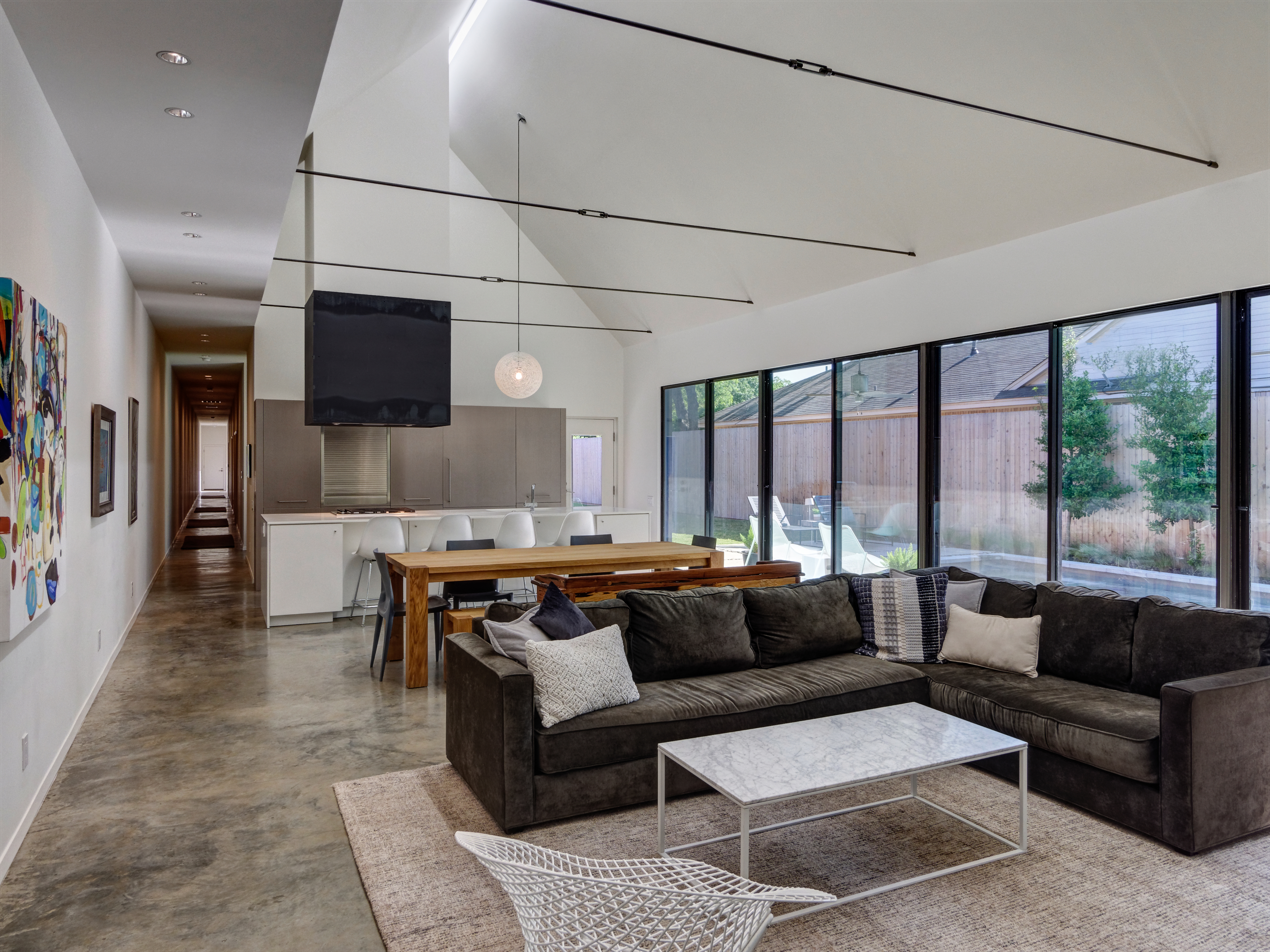
It changes what you notice. When you have designed civic buildings and adaptive reuse projects, you develop a different sense for proportion, sequence, and the relationship between spaces: how one room connects to the next, how a corridor functions both practically and architecturally, where light arrives and at what time of day.
The goal in residential work is architecture that serves the house so well it stops announcing itself. You are not aware of the craft behind it. You just experience the quality. That outcome is harder to reach than it looks, and the breadth of the practice is one of the things that gets us there.

“You are not aware of the craft behind it. You just experience the quality.”
Q
Tell us about the smallest detail in a project you have designed that you are most proud of. something most people would never notice.
A
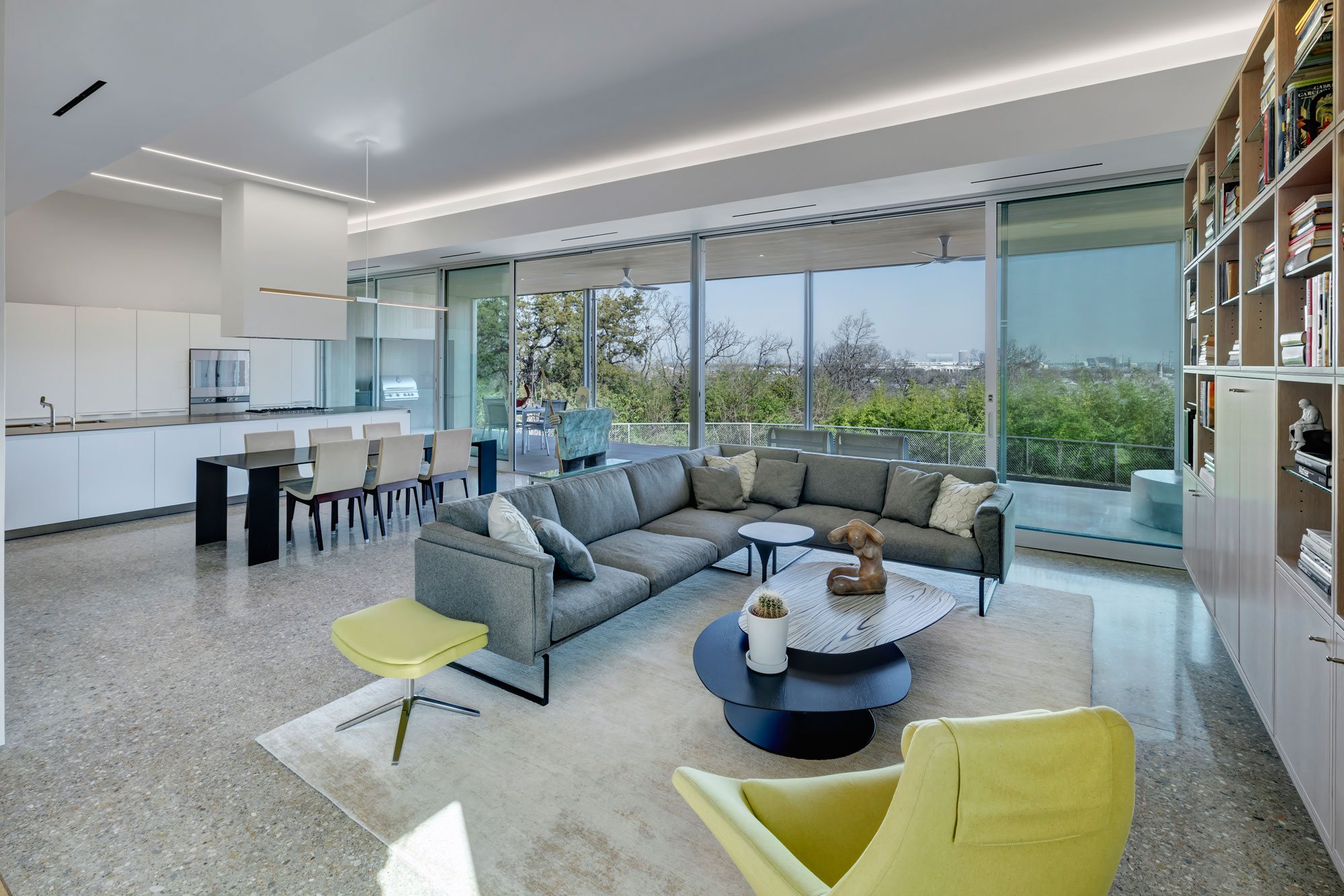
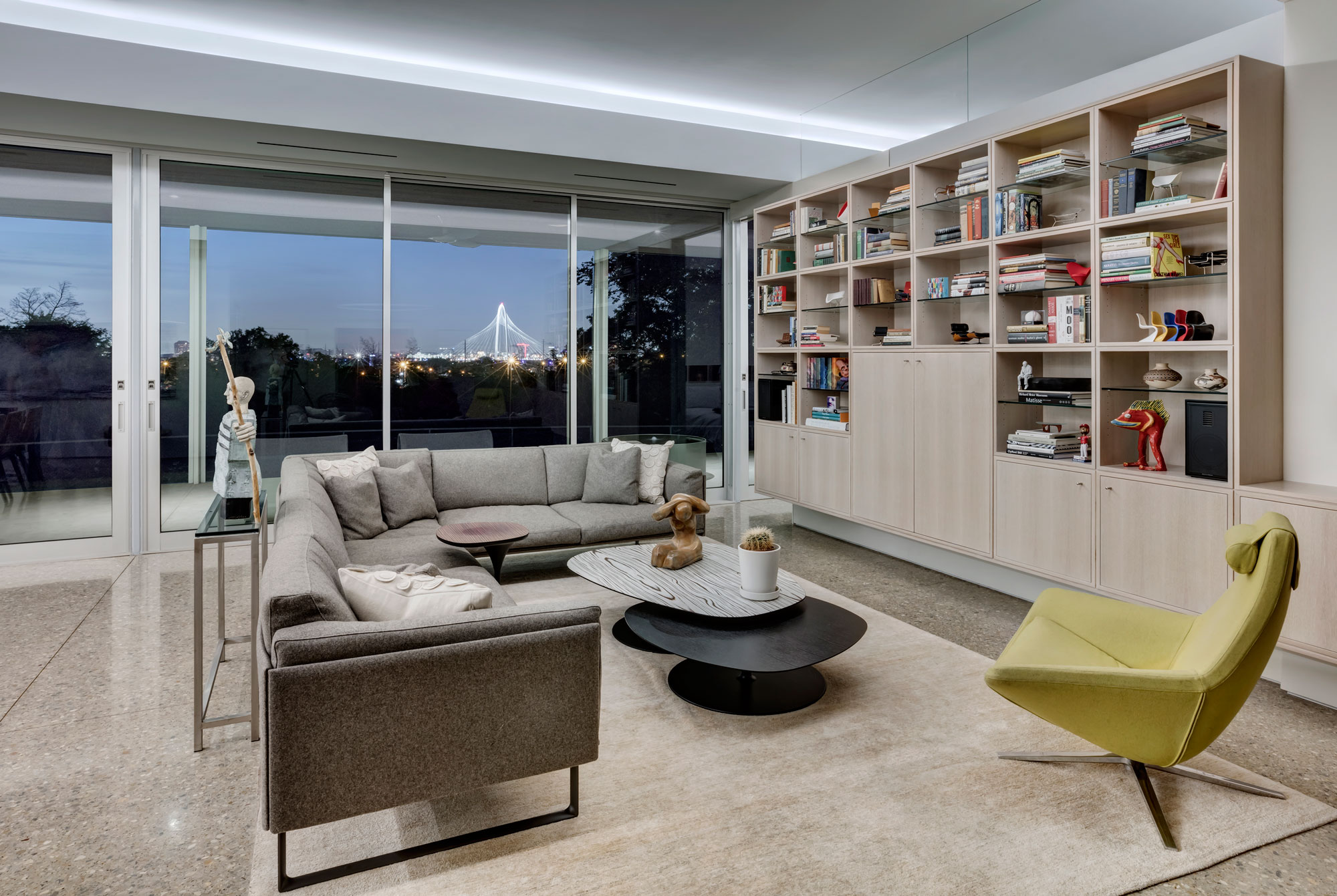
We designed a house for a client with a significant art collection who did not want any penetrations in the ceiling for lighting. It sounds like a simple constraint until you work through it. You cannot just relocate a can light. The entire ceiling plane has to do something different.
We designed a light trough that reflected illumination off the ceiling and distributed it evenly across the room, so every piece of art was beautifully lit without a single hole above. Visitors have no idea it is there. They just see the work well lit in a room that feels effortless.
That is the kind of problem we find most interesting. the constraint that forces a better answer than you would have reached without it.
“The constraint forces a better answer than you would have reached without it.”
Portfolio
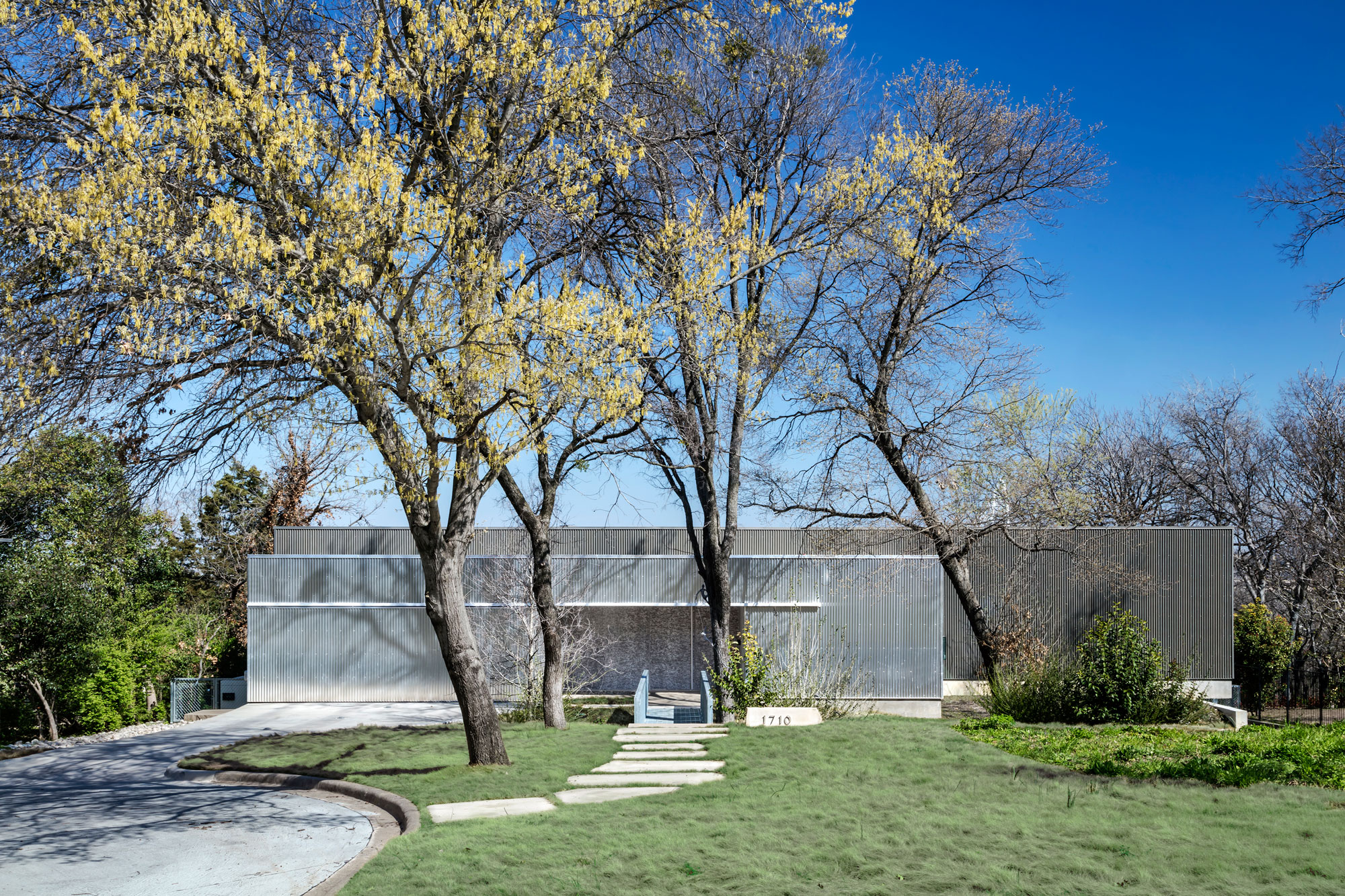
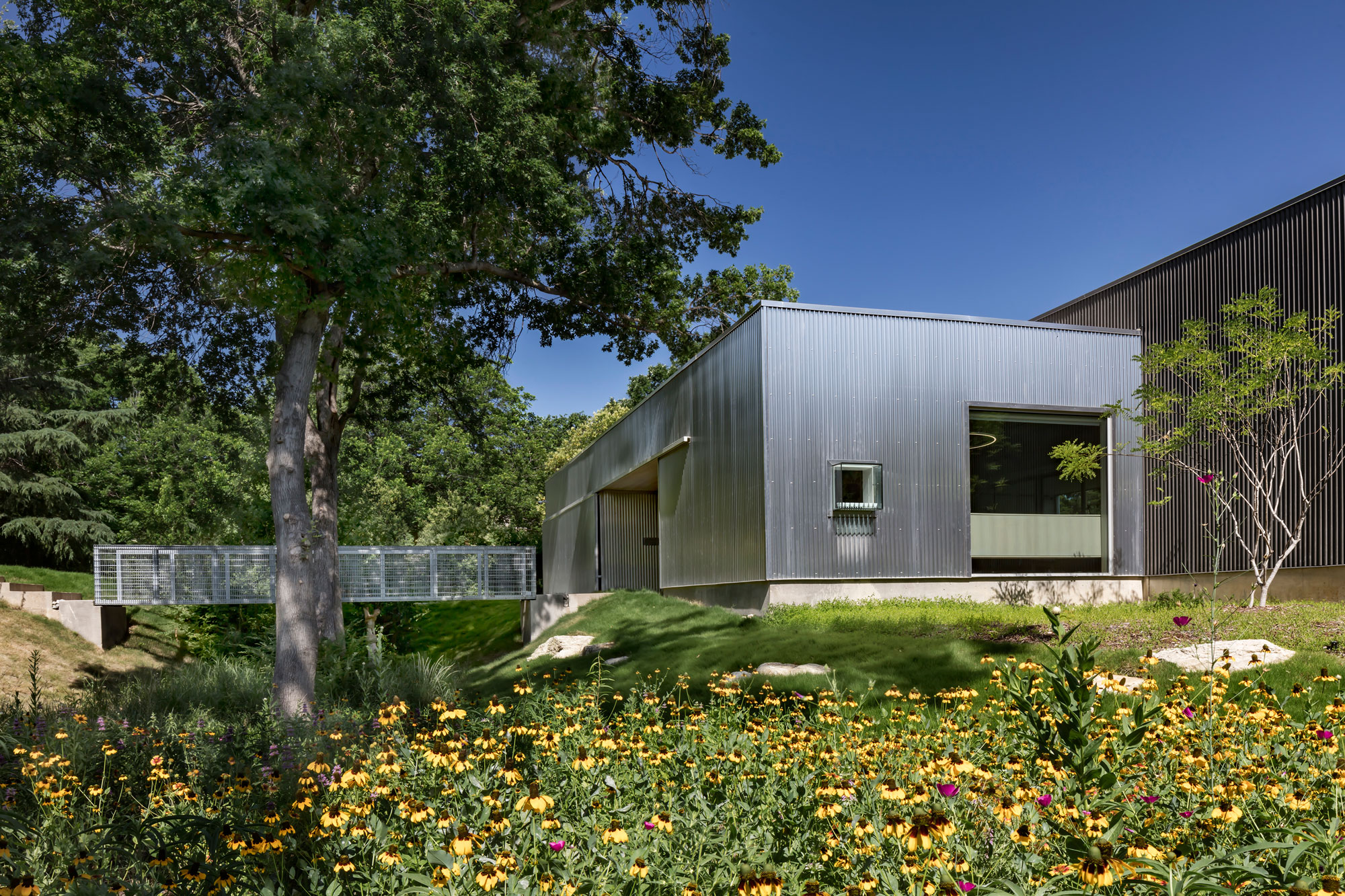
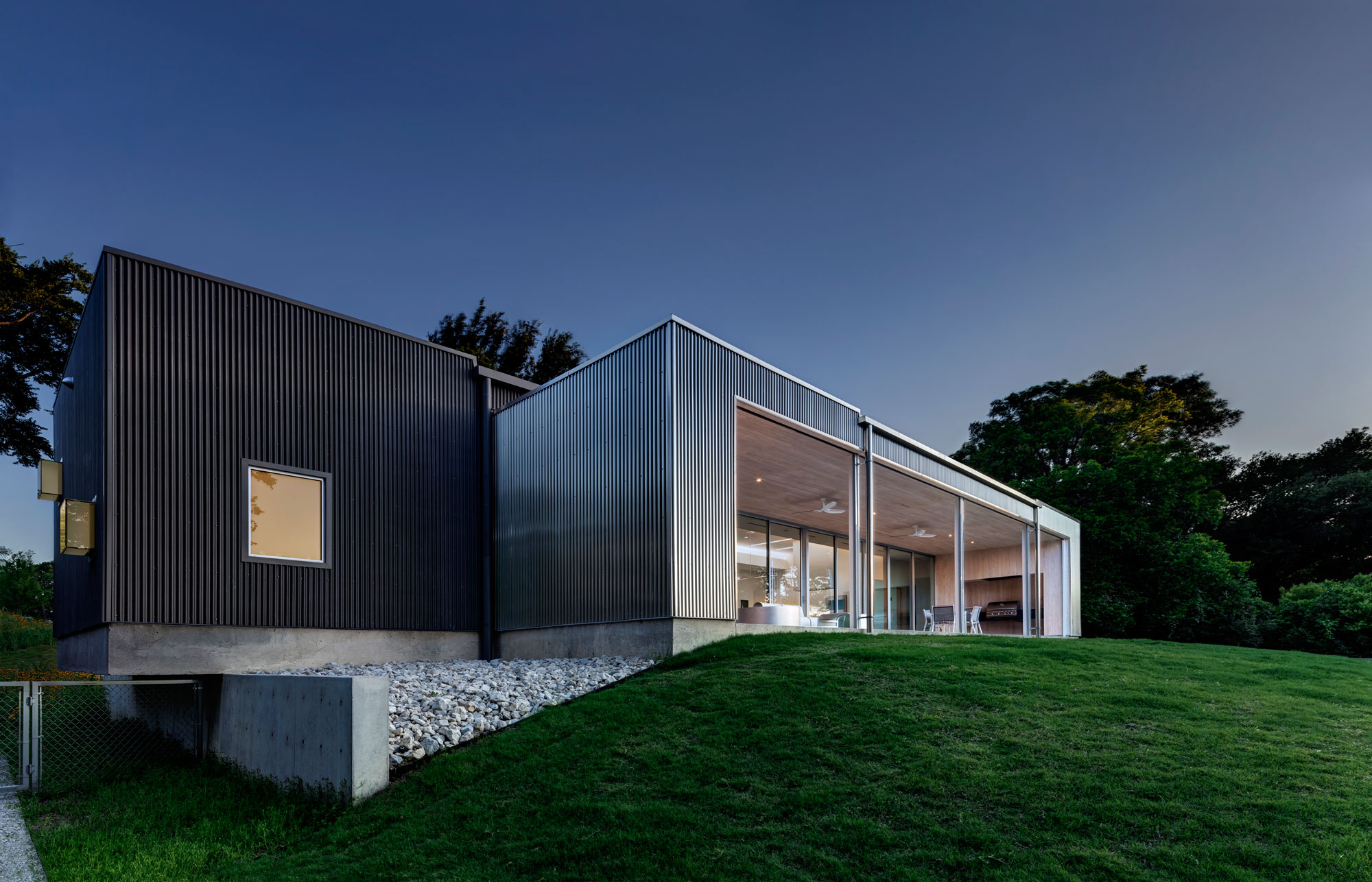
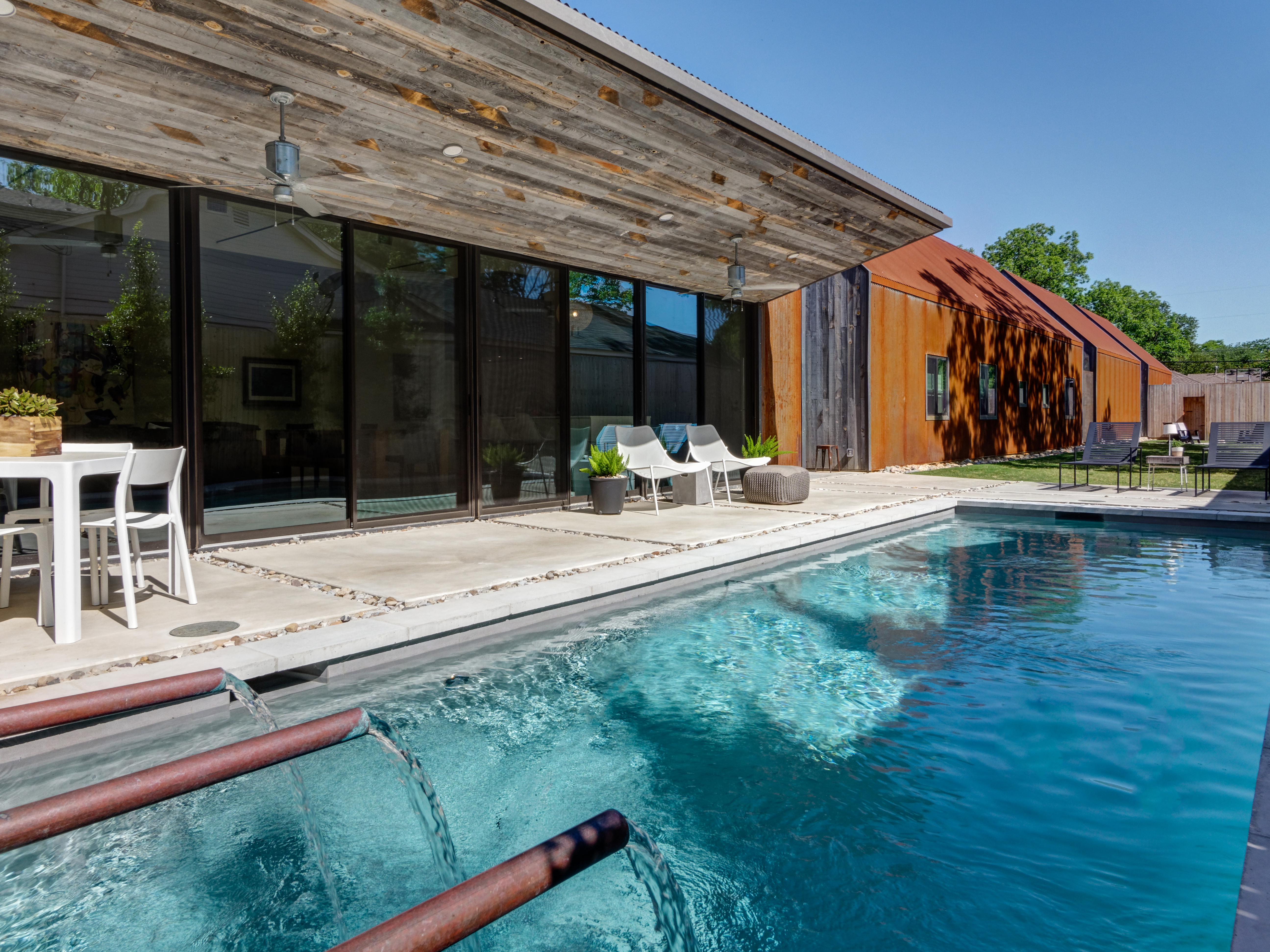

Photography: Buchanan Architecture and Charles Davis Smith